

Why Is Rockwool for Plants Becoming the Future of Sustainable Cultivation?
2025-10-20
Rockwool for plants, also known as stone wool or mineral wool, is a horticultural growing medium made from molten basalt rock that is spun into fine fibers and compressed into slabs, cubes, or plugs. It has been widely adopted in hydroponic systems, greenhouse cultivation, and indoor farming for its superior ability to retain moisture, oxygen, and nutrients simultaneously.
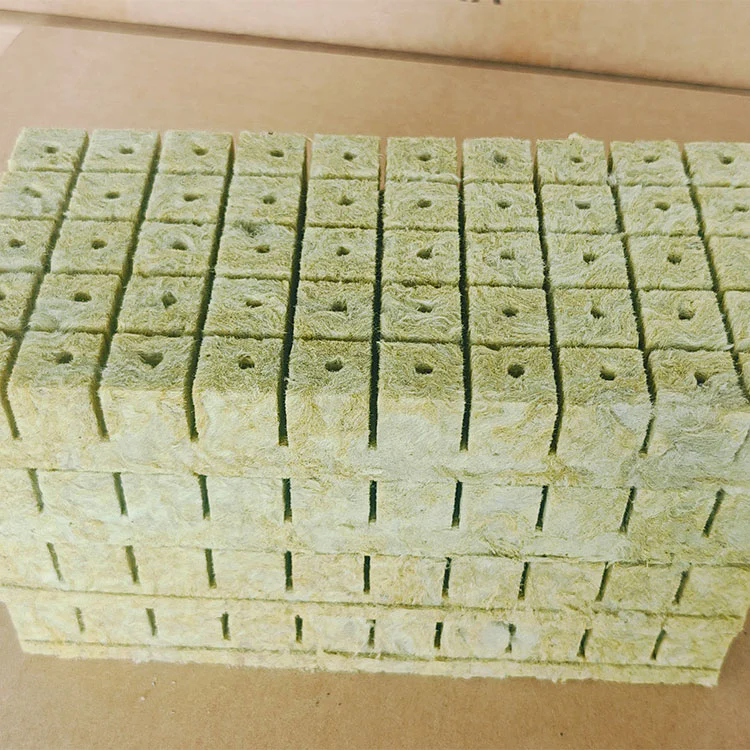
As global agriculture faces the challenge of maximizing yields while minimizing environmental impact, Rockwool offers a sustainable alternative to traditional soil-based systems. It provides a sterile, inert, and pH-stable environment that promotes consistent root growth and efficient nutrient uptake.
The increasing interest in Rockwool for plants aligns with the broader trend toward sustainable agriculture and controlled-environment farming. Growers around the world are recognizing its role in enhancing crop uniformity, reducing disease transmission, and improving overall resource efficiency.
Why Is Rockwool an Ideal Choice for Modern Growers?
The advantages of Rockwool for plant cultivation extend beyond simple water retention. Its structure and chemistry directly influence plant health, root oxygenation, and nutrient dynamics. Below are the core benefits that make Rockwool an industry-standard growing medium:
Key Advantages of Rockwool for Plant Cultivation:
| Parameter | Description |
|---|---|
| Material Composition | Basalt rock and chalk, melted and spun into fibers. |
| pH Range | Typically 6.0–7.0, adjustable to suit crop needs. |
| Water Retention | High; retains 80–90% of water without becoming waterlogged. |
| Air Porosity | 10–15%, ensuring continuous root aeration. |
| Sterility | Inert and pathogen-free; ideal for hydroponic systems. |
| Durability | Reusable after sterilization; resistant to decomposition. |
| Environmental Impact | Fully recyclable; supports sustainable agriculture initiatives. |
| Compatibility | Works with hydroponic, NFT, and drip irrigation systems. |
| Temperature Stability | Insulates roots from extreme heat and cold fluctuations. |
| Growth Performance | Encourages dense root structure and uniform nutrient absorption. |
In controlled environments, Rockwool enables precision farming — growers can fine-tune irrigation cycles, nutrient delivery, and EC levels with minimal loss. The porous texture allows roots to “breathe,” optimizing gas exchange and promoting faster growth rates compared to traditional mediums such as soil or coco coir.
Furthermore, Rockwool’s reusability reduces long-term operational costs. After harvesting, the material can be cleaned, sterilized, and repurposed, which appeals to eco-conscious growers seeking sustainable production systems.
How Does Rockwool Work in Hydroponic and Greenhouse Systems?
Understanding the mechanism of Rockwool in plant growth is crucial for optimizing its performance. Rockwool acts as a neutral framework that supports the root system without providing nutrients itself. Instead, it relies entirely on external nutrient solutions, making it ideal for hydroponic applications where precise control is essential.
How It Functions:
-
Water and Nutrient Absorption:
Rockwool’s fibrous structure absorbs and distributes water evenly throughout the growing block. Nutrients dissolved in the water are absorbed by plant roots through capillary action. -
Root Aeration:
The air-filled pores between fibers allow oxygen to reach the roots, preventing root rot and promoting strong root growth. -
pH and EC Control:
As an inert medium, Rockwool doesn’t alter the chemical composition of the nutrient solution. Growers can maintain exact pH (5.5–6.5) and EC (1.2–2.2 mS/cm) levels, depending on the crop type. -
Disease Control:
Since Rockwool is sterile, it minimizes the risk of soil-borne pathogens, fungi, and pest infestations. This ensures a cleaner environment for crops like lettuce, tomatoes, cucumbers, and herbs.
Best Practices for Using Rockwool:
-
Always pre-soak Rockwool cubes or slabs in pH-adjusted water (around 5.5) before transplanting seedlings.
-
Avoid over-irrigation; Rockwool retains water efficiently, and excess can lead to root oxygen deprivation.
-
Monitor EC levels frequently, especially in recirculating systems.
-
Maintain proper drainage to prevent nutrient buildup.
In hydroponic and greenhouse setups, Rockwool has demonstrated consistent results across a wide range of crops — from leafy greens to fruiting vegetables. Its predictable performance makes it indispensable for large-scale commercial farms and small indoor gardens alike.
What Are the Future Trends of Rockwool in Sustainable Agriculture?
With the global focus shifting toward resource-efficient agriculture, Rockwool is poised to play a pivotal role in the next generation of growing systems. The combination of technological innovation, sustainability, and food security goals drives the evolution of Rockwool applications in both commercial and urban farming.
Emerging Trends Include:
-
Automation and Smart Farming Integration:
Advanced sensors and AI-based control systems now allow real-time monitoring of moisture and nutrient levels within Rockwool substrates. This integration enhances precision farming, optimizing yields while conserving water and fertilizer. -
Circular Agriculture and Recycling Programs:
Many manufacturers and farms are developing closed-loop recycling systems for used Rockwool, minimizing waste and carbon footprint. The material’s ability to be melted and remanufactured supports circular economy principles. -
Crop Diversification:
Beyond traditional hydroponic vegetables, Rockwool is now used for floriculture, fruit production, and seed germination, demonstrating its adaptability across agricultural sectors. -
Urban Vertical Farming:
As cities adopt vertical and rooftop farming models, Rockwool provides a clean, lightweight, and space-efficient growing medium that maximizes limited urban space. -
Sustainable Food Supply Chains:
Rockwool supports year-round crop production in controlled environments, reducing dependency on weather conditions and ensuring food security in regions with challenging climates.
The future of Rockwool is aligned with sustainable intensification — producing more with less. Its capacity to support data-driven, high-efficiency agriculture makes it an essential component of modern food production systems.
Frequently Asked Questions (FAQs)
Q1: Is Rockwool safe for all types of plants?
Yes. Rockwool is inert and sterile, making it suitable for nearly all hydroponic and greenhouse crops, including leafy greens, tomatoes, peppers, herbs, and flowers. However, growers must monitor pH and nutrient levels closely, as Rockwool itself does not contain natural nutrients. Proper pH adjustment before use ensures optimal root development and nutrient absorption.
Q2: Can Rockwool be reused, and if so, how?
Absolutely. After each growing cycle, Rockwool can be reused if properly sterilized. The process involves rinsing the used material thoroughly to remove root residues and mineral deposits, followed by disinfection with hydrogen peroxide or steam. Reused Rockwool should be tested for pH balance before replanting. Responsible reuse reduces costs and environmental impact, aligning with eco-friendly farming practices.
The Role of Xirangyuan in Promoting Sustainable Growth
Rockwool for plants represents a fusion of science, sustainability, and productivity — key elements for the future of modern agriculture. Its controlled growing conditions, efficient nutrient management, and adaptability across crop types make it a cornerstone for hydroponic and greenhouse cultivation.
As agriculture moves toward smarter, cleaner, and more sustainable systems, brands like Xirangyuan continue to advance the innovation of Rockwool solutions tailored for professional growers and agricultural enterprises worldwide. With a commitment to quality, consistency, and eco-friendly production, Xirangyuan helps farmers achieve higher yields while reducing environmental impact.
For more information on Rockwool growing solutions or to discuss customized supply options, contact us today and discover how Xirangyuan can help elevate your cultivation performance to the next level.