

Why Does the Right Manure Spreader Make a Bigger Difference Than Most Farmers Expect?
2026-04-08
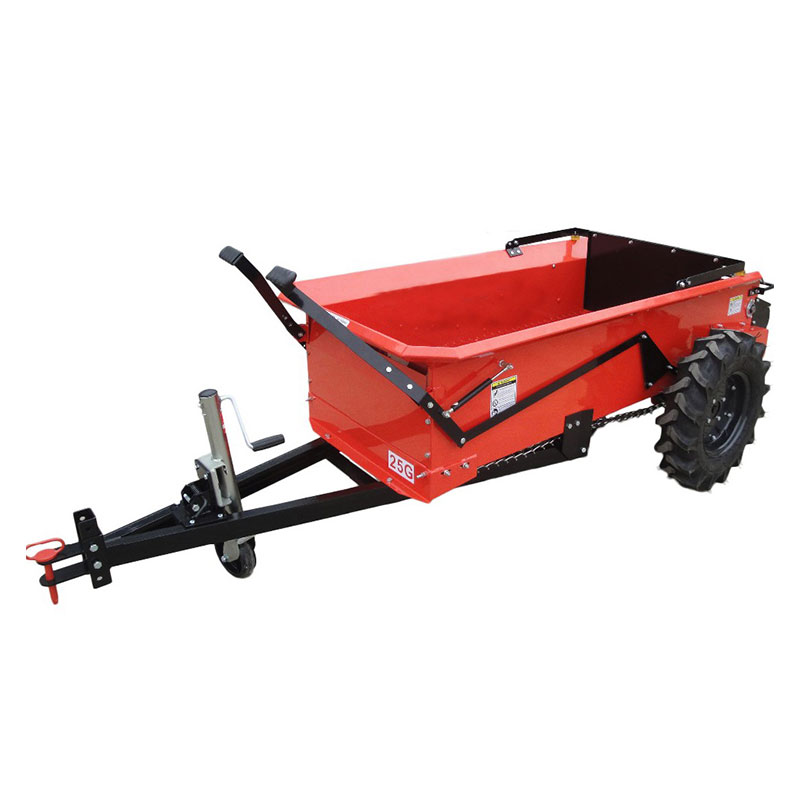
When I talk with growers and farm managers about nutrient application, I often notice the same concern again and again. They do not just want to move manure from one place to another. They want to spread it evenly, protect soil value, reduce labor pressure, and avoid wasting time during a short working window. That is exactly where Hebei Shuoxin Machinery Manufacturing Co., Ltd. enters the conversation naturally. In my view, a well-designed Manure Spreader is not simply a transport tool. It is a practical machine that helps turn organic waste into a more usable field resource while making daily farm work more consistent and easier to manage.
If I am choosing equipment for real field conditions, I do not focus only on price. I pay attention to spreading consistency, machine durability, ease of hookup, maintenance access, and how well the machine fits the size and rhythm of the farm. A dependable Manure Spreader helps me apply nutrients with more confidence, reduce missed areas, and keep my operation moving when timing matters most.
What Problems Am I Really Trying to Solve With a Manure Spreader?
Before I compare features, I always start with the real pain points. Most buyers are not shopping for machinery because they enjoy comparing steel and components. They are trying to fix problems that cost time and money.
- I want to avoid uneven nutrient distribution across the field.
- I want to reduce manual labor and repeated cleanup work.
- I want equipment that can handle demanding farm conditions without becoming fragile after one season.
- I want a machine that is easy to connect, operate, and service.
- I want to improve manure handling efficiency without creating new bottlenecks.
- I want a practical return on investment, not just a machine that looks good in photos.
That is why I see the value of a properly engineered Manure Spreader. It is not about adding one more machine to the yard. It is about making nutrient management more controlled and less exhausting.
How Does a Better Design Improve Daily Spreading Work?
In actual use, performance comes down to whether the machine can deliver a stable and predictable spreading result. If the discharge is inconsistent, I may end up with overloaded sections in one area and weak fertility support in another. That creates extra correction work later, and no farm manager wants that.
A better machine design usually improves work in several ways:
- It helps distribute manure more evenly across the target area.
- It supports smoother material flow during operation.
- It reduces the chance of material buildup that interrupts the job.
- It improves operating efficiency during busy seasons.
- It gives me more confidence when handling repeated tasks over large areas.
These points matter because manure application is not a decorative farm task. It directly affects field preparation, nutrient recovery, and the overall rhythm of crop production. When a Manure Spreader works reliably, the whole operation feels more manageable.
Why Do Buyers Care So Much About Durability?
I think the answer is simple. Agricultural machinery lives a hard life. It deals with moisture, heavy loads, uneven ground, and long working hours. If a spreader is poorly built, small weaknesses show up very quickly in the form of deformation, fast wear, unstable output, or repair downtime.
That is why structural strength matters so much to me. A durable machine helps protect the investment and lowers the stress of peak-season use. I do not want to stop in the middle of important fieldwork because of avoidable mechanical issues. I want equipment that feels solid, practical, and made for repeated use rather than occasional display.
| What I Evaluate | Why It Matters | What It Helps Me Avoid |
|---|---|---|
| Frame strength | Supports heavy-duty farm use and load stability | Premature wear, bending, structural weakness |
| Spreading mechanism | Improves uniform discharge and field coverage | Patchy application and nutrient waste |
| Connection design | Makes hookup and field movement easier | Slow setup and operator frustration |
| Maintenance accessibility | Saves time during inspection and service | Extended downtime and difficult repairs |
| Operational efficiency | Supports productivity during critical farm windows | Delays and extra labor pressure |
Which Farms Benefit Most From Using a Manure Spreader?
Many people assume this equipment only makes sense for very large farms, but I do not think that is the full story. The real question is whether a farm handles organic fertilizer regularly and whether labor efficiency matters. In those situations, this kind of equipment can deliver clear value.
I would say the following operations often benefit strongly:
- Livestock farms that need a practical way to manage manure output
- Mixed farms balancing animal operations and crop production
- Growers looking to improve soil fertility through organic inputs
- Small and medium farms seeking better efficiency with limited labor
- Cooperatives and contractors handling repeated spreading work
For me, the attraction of a Manure Spreader is that it connects waste handling with field productivity. That is a very practical benefit, especially when margins are tight and every working hour matters.
How Do I Compare Different Types Without Getting Lost in Sales Language?
I prefer to compare machines based on use scenarios rather than empty slogans. A buyer usually gets better results by asking how the machine fits the farm instead of asking which model sounds more advanced.
| Type | Best Fit | Main Advantage |
|---|---|---|
| 3-point style spreader | Farms that value convenient attachment and maneuverability | Practical connection and flexible field movement |
| PTO-driven spreader | Operations that need steady power transfer and efficient spreading | Reliable working performance for regular field use |
| Compact or mini spreader | Smaller farms, tighter spaces, and lighter-duty applications | Easier handling with efficient use of available tractor capacity |
| Compost-oriented spreader | Growers emphasizing soil health and organic fertilizing | Supports more controlled application of organic material |
When I look at equipment this way, the selection process becomes much clearer. I am not buying an abstract concept. I am choosing a machine that should match real land conditions, tractor setup, and spreading frequency.
Why Does Even Distribution Matter More Than Many Buyers First Realize?
Uneven application creates quiet losses. At first glance, the field may look covered, but the actual nutrient result can be inconsistent. Some sections receive too much material, while others get far less than intended. That can affect crop performance, input efficiency, and follow-up field management.
I see even distribution as one of the strongest reasons to invest in a quality Manure Spreader. It helps me work toward a more balanced field result, and that balance matters. Better uniformity can support healthier crop development, more thoughtful use of organic inputs, and less guesswork after application.
- It helps improve field consistency.
- It reduces waste caused by concentrated dumping.
- It supports better use of manure as a nutrient resource.
- It lowers the need for corrective rework.
What Should I Check Before Sending an Inquiry?
If I want to make a smart buying decision, I do not stop at the product name. I prepare practical questions that reveal whether the machine actually fits my operation.
- What tractor range is the machine designed to match?
- What material types can it handle in normal farm use?
- How is the spreading system configured for consistency?
- What is the loading capacity for my target workflow?
- How easy is routine maintenance after long working days?
- Is the machine better suited to compact farms, medium acreage, or larger-scale use?
- What after-sales communication can I expect from the supplier?
These questions help me move beyond generic marketing language. A serious supplier should be ready to discuss practical use, not just repeat broad claims. That is especially important when I am investing in a machine expected to work through multiple seasons.
Why Do I See Long-Term Value Instead of Just a Purchase Price?
A lot of buyers start with initial cost, and that is understandable. But I think the smarter view is total working value over time. If a machine saves labor, improves spreading consistency, reduces waste, and remains dependable through repeated use, that value goes far beyond the purchase line on a quote sheet.
Here is how I usually think about the return:
- Less manual handling can save labor time.
- Better field coverage can improve nutrient use efficiency.
- Stable performance can reduce downtime pressure.
- Durable construction can support a longer service life.
- Operational convenience can make seasonal work easier to manage.
For me, a good Manure Spreader is part of a broader efficiency strategy. It supports better routine management instead of creating extra complications for operators.
How Can the Right Supplier Make the Buying Process Easier?
Product quality matters, but supplier communication matters too. I want clear answers, realistic recommendations, and a team that understands agricultural working conditions. That makes the buying process smoother and reduces the chance of ending up with the wrong specification.
What I appreciate most from a supplier is straightforward communication about application scenarios, configuration logic, and practical machine use. A company that understands real field needs is usually much easier to work with than one that only pushes catalog language.
That is one reason buyers often pay attention not just to the machine itself, but also to the manufacturer behind it. A capable manufacturer should help turn technical details into clear choices, especially for overseas buyers who need confidence before placing an order.
Why Is This the Right Time to Upgrade the Way I Handle Organic Fertilizer?
Farming today asks more from every machine. Labor is valuable, field timing is tight, and input efficiency matters more than ever. I do not want to rely on slow, uneven, or exhausting manure handling methods when better equipment can make the process cleaner and more productive.
If I am serious about improving field efficiency, nutrient use, and equipment reliability, investing in a well-matched Manure Spreader is a practical step forward. It helps transform manure management from a difficult routine into a more controlled and useful part of crop production.
If you are currently comparing options and want a machine that fits your farm more closely, this is the moment to take the next step. Reach out to Hebei Shuoxin Machinery Manufacturing Co., Ltd. for product details, configuration support, and a quotation tailored to your needs. If you are ready to improve spreading efficiency and make organic fertilizer handling easier, contact us today and send your inquiry now.