

Which Type of Compost Spreader Is Best for Large Scale Agricultural Use
2026-03-12
For large-scale agricultural operations, efficiency and precision are non-negotiable. Distributing organic matter across hundreds of acres requires equipment that can handle high volume while providing a consistent application rate. Choosing the correct Compost Spreader impacts soil fertility programs and operational costs. When evaluating heavy-duty machinery for this task, Shuoxin offers a range of solutions designed to meet the rigorous demands of modern farming.
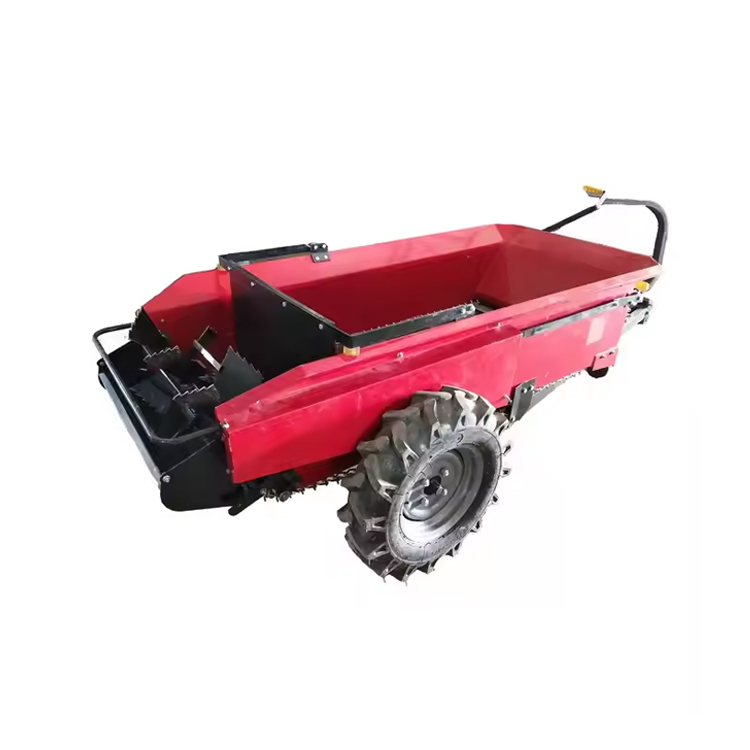
Understanding Large-Scale Spreader Configurations
Not all spreaders are built for the field. For agricultural use, the mechanism that moves the material to the dispersing mechanism is the primary differentiator. The two dominant types in this category are vertical beaters and horizontal beaters. Each interacts with compost—which is often wet and sticky—differently.
Key Features to Evaluate
When selecting a unit for a large farm, focusing on build quality and capacity prevents downtime during critical planting or top-dressing windows. The table below breaks down the essential specifications to consider:
| Feature Category | Why It Matters for Large Scale Use |
|---|---|
| Hopper Capacity | Determines how many acres you can cover per load. Larger capacities reduce refill time and labor. |
| Beater Design | Vertical beaters are excellent for breaking up matted materials; horizontal beaters often provide a wider, more uniform spread pattern. |
| Frame & Axle | Must withstand rough field conditions. A heavy-duty steel frame with a high-weight rating is essential for off-road durability. |
| Drive System | Hydraulic drives offer variable speed control for precise application rates, which is critical for different types of compost. |
Matching the Machine to the Material
The physical characteristics of your compost heavily influence which Compost Spreader performs best. Screened, dry compost flows easily but may require a different gate setting than a wet, heavy manure-based mix. Units with Shuoxin's reinforced beaters are specifically engineered to handle the torque required for breaking up dense materials without clogging. This ensures that whether you are spreading silage compost or green waste, the pattern remains consistent from the headland to the far end of the field.
Frequently Asked Questions
Question: Can I use a standard manure spreader for finished compost?
Answer: While you can physically load compost into a manure spreader, it is not always the most effective tool. Finished compost is often lighter and fluffier than raw manure. A standard spreader designed for heavy, wet manure may not have the containment features to prevent compost from blowing away in dry conditions. A dedicated Compost Spreader often includes side shields or a specific beater design to manage lighter particles, ensuring the organic matter lands on the soil rather than drifting into the next county.
Question: How do I calculate the right size spreader for my acreage?
Answer: The right size depends on your annual compost application rate and available time. First, determine your desired tons per acre. Then, consider the weight capacity of the spreader (not just the cubic feet). For example, if you need to cover 500 acres and you have a narrow weather window, you need a high-capacity unit from Shuoxin that can handle 10+ tons per load. This minimizes the trips back to the windrow for refilling, directly impacting your cost per acre.
Question: What maintenance is required to keep a large spreader operational?
Answer: Large agricultural spreaders endure tremendous stress. Daily maintenance should include greasing all moving parts, particularly the beater bearings and drive chains. After each use, it is critical to clean out the apron chain and floor to prevent compost from hardening and causing the chain to seize. Annually, inspect the flighting on the beaters for wear; worn beaters will not throw material evenly, leading to streaks in the field.
Optimizing Field Application
Efficiency is not just about the machine; it is about the integration with your existing logistics. A Compost Spreader with a variable-rate controller allows for site-specific applications. By adjusting the output on the go, you can match compost placement to soil nutrient maps. Pairing this technology with a robust Shuoxin chassis ensures that precision agriculture goals are met without sacrificing the ruggedness required for large-scale fieldwork.
Contact Us for Your Agricultural Needs
Selecting the right equipment is a critical decision for your farm's productivity and soil health. Whether you need a tow-behind unit for broad-acre cropping or a truck-mounted model for rapid deployment, understanding these specifications ensures you invest wisely. To discuss your specific acreage and material type with a specialist, contact us today for a tailored recommendation.