

Which Caravan Awning Shade Wall Creates a More Comfortable Outdoor Living Space?
2026-11-17
Article Summary
Enjoying the outdoors is one of the biggest attractions of caravan travel, but strong sunlight, excessive heat, limited privacy, and changing weather conditions can make outdoor relaxation less comfortable. A well-designed caravan awning shade wall offers a practical way to improve the area beneath and around an RV awning while creating a more private and shaded environment.
However, choosing the right shade wall requires more than checking its appearance. Material quality, UV resistance, shading performance, ventilation, dimensions, attachment accessories, and storage convenience all influence the overall experience. This guide explores how caravan awning shade walls work, their main benefits, important material considerations, installation methods, maintenance tips, and purchasing factors to help caravan owners and outdoor product buyers make informed decisions.
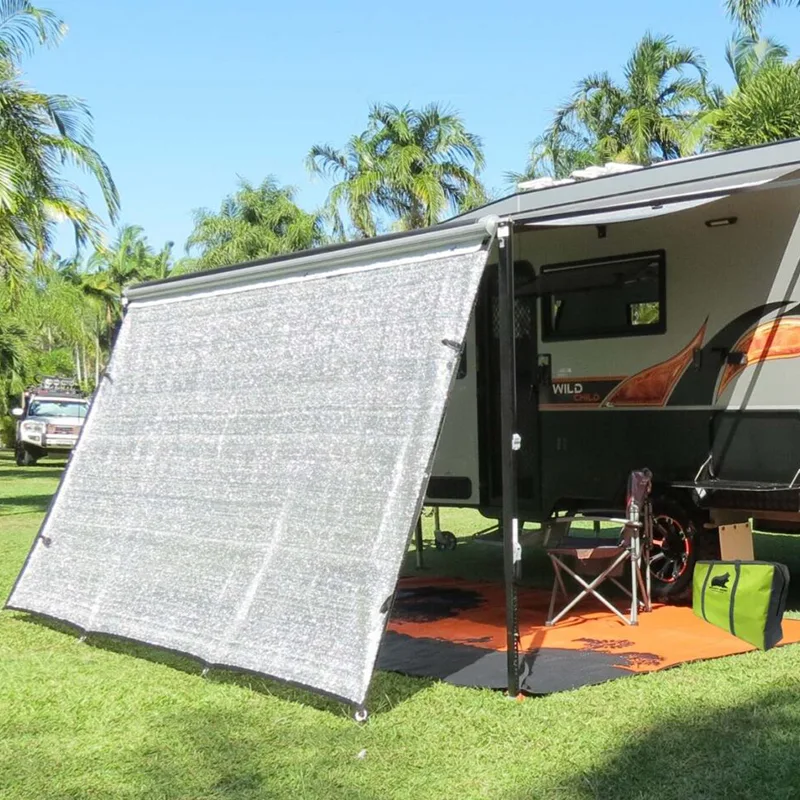
1. What Is a Caravan Awning Shade Wall?
A caravan awning shade wall is an accessory designed to attach to the side of an RV or caravan awning. It creates an additional shaded and partially enclosed area, helping protect outdoor living spaces from direct sunlight while providing greater privacy at campsites and outdoor parking areas.
Unlike a solid outdoor curtain, a mesh-based shade wall is designed to balance sun protection with airflow. Its woven or knitted structure helps reduce direct sunlight while allowing air to circulate through the material. This can make the space beneath an awning more comfortable during warm-weather trips.
For caravan owners, the accessory provides a simple way to make better use of limited outdoor space. It can help separate a relaxation area from neighboring campsites, reduce glare, and create a more comfortable place for chairs, tables, pets, and outdoor activities.
How Does It Differ from a Standard Awning?
A standard caravan awning mainly provides overhead coverage. A shade wall adds side protection, addressing sunlight and visibility that an overhead canopy cannot fully block.
Depending on its design, a shade wall may use mesh fabric, woven polyethylene, reinforced edges, attachment hooks, ropes, and fixing points. These details influence its shading performance, durability, and ease of installation.
2. Why Is a Shade Wall Important for Caravan Travel?
Outdoor conditions can change significantly throughout a journey. A campsite that feels comfortable in the morning may become exposed to strong afternoon sunlight. Neighboring vehicles and nearby camping areas can also reduce privacy.
A suitable shade wall helps address several common problems without requiring a permanent enclosure.
2.1 Reduce Direct Sunlight and Heat Exposure
Direct sunlight can make the area beneath an awning uncomfortable, especially during summer. A shade wall helps reduce the amount of sunlight entering from the side, creating a more pleasant environment for outdoor relaxation.
Its actual shading performance depends on fabric construction, color, installation direction, and the sun's position. A product with a high specified shading rate can be particularly useful in exposed camping areas.
2.2 Improve Privacy at Busy Campsites
Popular caravan parks often place vehicles relatively close together. Without side screening, people passing by may have a direct view of the outdoor seating area.
A shade wall creates a visual barrier that helps define personal space. It is especially useful when relaxing, eating, reading, or spending time with family.
2.3 Maintain Better Air Circulation
Complete enclosure is not always desirable in warm weather. Solid panels can restrict airflow and may trap heat in certain conditions.
Mesh-based shade walls offer a balance between screening and ventilation. Air can move through the fabric structure, helping maintain a more open outdoor environment.
2.4 Create a More Organized Outdoor Living Area
A side shade wall makes the space beneath an awning feel more defined. It can help separate seating areas, protect outdoor equipment from direct exposure, and make temporary campsites feel more organized.
3. Key Features That Improve Outdoor Comfort
Not every caravan shade wall provides the same level of performance. Buyers should evaluate several practical features before selecting a product.
A high shading rate helps reduce direct sunlight and glare entering the outdoor living area.
UV-stabilized materials help improve resistance to sunlight-related aging during outdoor use.
Mesh structures allow air to pass through, helping avoid the completely enclosed feeling of solid screens.
Carefully finished edges help reduce fraying and support repeated installation and removal.
D-rings, hooks, ropes, and suitable fixing accessories help keep the wall properly positioned.
A carrying bag makes transportation and storage more convenient between trips.
Why Does a 95% Shade Rate Matter?
Shading rate is an important specification when comparing outdoor shade products. A 95% shading rate indicates a high level of light reduction under the specified testing conditions. It can help reduce direct sunlight entering the shaded area and improve comfort during sunny weather.
However, shading rate should not be confused with complete UV blocking, waterproof performance, or wind resistance. Buyers should check how the manufacturer measures shading performance and review separate UV and material specifications.
4. Understanding Materials and Fabric Construction
Material selection has a direct influence on a caravan shade wall's weight, durability, weather resistance, and long-term appearance. For outdoor accessories, polyethylene-based fabrics are widely used because they can be engineered into lightweight woven and mesh structures.
4.1 High-Density Polyethylene (HDPE)
HDPE is a commonly used material for outdoor shade netting and mesh products. It offers a useful combination of lightweight construction, flexibility, and resistance to moisture. When formulated with suitable UV stabilizers, it can also provide improved resistance to sunlight exposure.
For caravan shade walls, HDPE mesh can provide shading while maintaining airflow. Its woven structure can be designed to achieve different shading levels, weights, colors, and visual effects.
4.2 Fabric Weight and Thickness
Fabric weight, often measured in grams per square meter (GSM), helps buyers compare material specifications. A higher GSM generally indicates more material per unit area, but it does not automatically mean better overall performance.
Weaving density, yarn quality, UV stabilization, edge reinforcement, and manufacturing consistency should also be considered.
4.3 Reinforced Edges and Hardware
The edges and attachment points experience repeated handling and tension during installation. Reinforced hems, strong stitching, and appropriately selected hardware help reduce the risk of tearing during normal use.
Stainless steel D-rings and suitable ropes can provide practical attachment options. Their dimensions and placement should match the intended installation method.
| Material or Feature | Main Function | What Buyers Should Check |
|---|---|---|
| HDPE Fabric | Provides the main shading structure. | Material quality, weave, weight, and UV stabilization. |
| UV Additives | Help improve resistance to sunlight aging. | UV performance and intended outdoor service conditions. |
| Reinforced Hem | Supports edge strength and reduces fraying. | Stitching quality and reinforcement consistency. |
| Stainless Steel D-Rings | Provide attachment points. | Material, dimensions, and secure installation. |
| Guy Ropes | Help secure and position the shade wall. | Length, strength, and compatibility with fixing points. |
| Carry Bag | Supports transportation and storage. | Suitable dimensions and convenient closure. |
5. How to Choose the Right Size and Fit
One of the most common purchasing problems is ordering a shade wall that does not fit the existing awning. Even a high-quality product may be difficult to install if its dimensions and attachment arrangement do not match the caravan setup.
5.1 Measure the Available Side Area
Before ordering, measure the intended installation area carefully. Record the available width and height, including the distance between attachment points and the ground or desired lower fixing position.
Do not rely only on the advertised awning size. Different caravan and retractable awning models may have different support structures and attachment arrangements.
5.2 Check the Attachment System
Some shade walls use hooks and ropes, while other designs may use specific tracks, spline systems, or other fittings. Buyers should confirm the attachment method before placing an order.
5.3 Consider the Desired Coverage
A smaller shade wall may provide targeted sun protection while maintaining an open view. A larger panel can offer broader privacy and shade coverage, but it also requires more installation space and suitable fixing points.
Common Size Options
Product dimensions vary by design and manufacturer. The following are examples of sizes listed for Golden Delta's caravan awning shade wall range:
| Example Dimensions | Potential Use |
|---|---|
| 2.1 × 1.8 m | Compact side-screening requirements. |
| 2.2 × 1.95 m | Selected awning configurations. |
| 3.4 × 1.95 m | Wider side coverage. |
| 4.0 × 1.95 m | Larger outdoor living areas. |
| 4.6 × 1.95 m | Extended shade requirements. |
| 4.9 × 1.92 m | Selected long awning arrangements. |
| 5.2 × 1.92 m | Longer side-screening applications. |
Custom dimensions may also be available depending on the manufacturer's production capabilities. Always confirm the actual finished dimensions, tolerances, and fixing positions before production.
6. Installation and Setup Guide
A caravan awning shade wall should be easy to install, remove, and pack away. A practical attachment design can save time when moving between campsites or adjusting the outdoor layout.
Step 1: Select a Suitable Installation Position
Choose the side of the awning that receives the most direct sunlight or requires additional privacy. Check the surrounding space for trees, obstacles, neighboring vehicles, and available ground fixing points.
Step 2: Unpack and Inspect the Accessories
Lay out the shade wall and check the fabric, stitching, D-rings, ropes, hooks, and other supplied accessories. Make sure there is no visible damage before installation.
Step 3: Attach the Upper Fixing Points
Secure the upper attachment points to the compatible awning structure according to the product instructions. Ensure the fixing method is suitable for the awning design and does not damage its fabric or frame.
Step 4: Position the Side Wall
Unfold the shade wall and adjust its position so the material hangs evenly. Avoid excessive pulling that could place unnecessary stress on the edges or attachment points.
Step 5: Secure the Lower Section
Use the supplied ropes and ground pegs where appropriate to stabilize the panel. Keep the fabric reasonably tensioned without overstretching it.
Step 6: Check the Installation
Inspect all attachment points and make sure the shade wall does not interfere with awning operation, doors, windows, or walkways. Recheck the setup if wind conditions change.
7. Shade Wall vs. Caravan Awning End Wall
Caravan awning shade walls and end walls both improve outdoor comfort, but their construction and intended functions can differ. Understanding the distinction helps buyers choose the right accessory for their camping habits.
| Comparison | Caravan Awning Shade Wall | Caravan Awning End Wall |
|---|---|---|
| Main Purpose | Side shading and privacy. | End-side enclosure and weather screening. |
| Typical Construction | Breathable mesh or shade fabric. | Depending on design, more solid or enclosed fabric. |
| Airflow | Generally designed to allow airflow. | Depends on material and panel construction. |
| Sunlight Control | Provides side shading. | Provides screening and shade at the awning end. |
| Privacy | Helps reduce visibility into the outdoor area. | Can provide a more enclosed private space. |
| Typical Use | Warm-weather camping and everyday outdoor relaxation. | Additional side enclosure and selected weather protection. |
The two accessories can complement each other when the awning system supports the required configuration. However, buyers should confirm dimensions, fixing systems, and compatibility before combining panels.
8. Common Applications and Outdoor Uses
Although caravan awning shade walls are primarily designed for RV and caravan owners, their practical benefits can extend to different outdoor environments where temporary shade and visual screening are needed.
8.1 Caravan Parks and Campsites
At busy campsites, a shade wall helps define a personal outdoor area and reduce direct visibility from neighboring pitches. It can make a temporary camping setup feel more comfortable and organized.
8.2 Motorhome and RV Travel
Motorhome owners who frequently move between destinations benefit from portable accessories that can be installed and packed away without complicated equipment. A lightweight shade wall can provide additional comfort without taking up excessive storage space.
8.3 Outdoor Leisure Areas
Depending on the size and fixing arrangement, similar mesh screening materials may also be useful around patios, temporary outdoor seating spaces, and recreational areas.
8.4 Outdoor Events and Temporary Shelters
Portable shade panels can help create temporary visual barriers and shaded areas at suitable outdoor events. The installation structure and fixing method must be appropriate for each application.
9. Cleaning, Storage, and Maintenance Tips
Outdoor fabrics are regularly exposed to sunlight, dust, moisture, and repeated handling. Simple maintenance practices can help preserve their appearance and functional condition.
Cleaning Recommendations
- Remove loose dust, leaves, and dirt with a soft brush or clean water.
- Use mild soap and a soft cloth for ordinary surface stains.
- Avoid harsh chemicals, solvents, or abrasive brushes unless approved by the manufacturer.
- Rinse away soap residue after cleaning.
- Allow the fabric to dry thoroughly before storage.
Storage Recommendations
- Remove the shade wall carefully without pulling excessively on the fixing points.
- Check for damaged stitching, torn mesh, or worn hardware.
- Make sure the fabric is completely dry before folding.
- Store it in the supplied carrying bag or another suitable storage container.
- Keep it in a cool, dry place away from sharp objects and unnecessary pressure.
Inspect Before Every Trip
Before installing the shade wall at a new campsite, check the fabric, seams, D-rings, ropes, and fixing accessories. Early identification of small problems can help prevent damage during use.
10. Common Buying Mistakes to Avoid
Even experienced caravan owners can overlook important details when purchasing outdoor accessories. The following mistakes can lead to poor fit, reduced durability, or unnecessary replacement costs.
Choosing Based Only on Price
A low purchase price does not necessarily represent better value. Buyers should compare fabric construction, UV stabilization, shading rate, edge reinforcement, hardware, and warranty or after-sales support.
Ignoring Compatibility
Not all awning systems use the same attachment arrangement. Confirm the product's fixing method before ordering, particularly when purchasing for a specific caravan or RV model.
Confusing Shading with Waterproofing
A breathable mesh shade wall is designed primarily for shading, airflow, and screening. It should not automatically be treated as a waterproof rain wall. Buyers who require rain protection should ask about a separately designed waterproof panel.
Overlooking Wind Conditions
A shade wall adds surface area that can catch wind. Incorrect installation or continued use in strong winds may damage the panel or awning structure. Always follow the manufacturer's operating guidance.
Forgetting Storage Requirements
Caravan accessories should be practical to transport. Check whether the product includes a carrying bag and whether its folded size is suitable for the available storage space.
11. What Should Buyers Look for in a Caravan Shade Wall Manufacturer?
For distributors, wholesalers, importers, and outdoor equipment brands, choosing a capable manufacturer is as important as selecting the product itself. Consistent production quality and flexible specifications help support long-term commercial relationships.
11.1 Material and Manufacturing Experience
Look for a supplier with relevant experience in polyethylene woven fabrics, shade netting, and outdoor protective materials. Manufacturing knowledge helps ensure that fabric construction, material formulation, and finishing details match the intended application.
11.2 Customization Capabilities
Different markets may require different product dimensions, colors, weights, shading rates, and accessory configurations. A manufacturer with customization capabilities can help distributors develop products that suit their customer base.
11.3 Quality Control
Ask about fabric inspection, weight consistency, UV-related testing, stitching quality, hardware checks, and finished-product inspection. Clear quality procedures help reduce variations between production batches.
11.4 Sample Evaluation
Where available, request a product sample before confirming a large order. Examine the material texture, shading performance, edge finishing, attachment accessories, and actual dimensions.
11.5 Communication and Supply Support
Reliable communication is important when discussing product specifications, packaging, production schedules, and shipment arrangements. A supplier should be able to clarify technical details and help buyers understand available customization options.
Why Consider Xiamen Golden Delta Special Weaving Co., Ltd.?
Xiamen Golden Delta Special Weaving Co., Ltd. specializes in polyethylene woven fabrics and shade netting materials. The company develops caravan awning shade walls designed to combine privacy, shading, and airflow for outdoor leisure applications.
Its listed caravan awning shade wall specifications include HDPE material with UV additives, a stated 95% shading rate, fabric weights of approximately 200–250 GSM or customized options, and several available dimensions. Color options include silver, grey, and black, with custom colors also available.
Product accessories can include D-rings, guy ropes, ground pegs, and a carrying bag. The company also offers customization according to project and customer requirements, subject to product specifications.
For distributors and outdoor product buyers, these options provide a starting point for discussing private-label requirements, product dimensions, material selection, and bulk purchasing needs.
12. Frequently Asked Questions
Q1. What is a caravan awning shade wall used for?
A caravan awning shade wall is used to reduce direct sunlight, improve privacy, and create a more comfortable outdoor living area beside an RV or caravan. Mesh designs also allow air to circulate through the material.
Q2. Does a caravan awning shade wall provide UV protection?
Many outdoor shade walls use UV-stabilized materials to improve resistance to sunlight exposure. The actual UV protection level depends on the material formulation and product specifications, so buyers should confirm the manufacturer's test information.
Q3. What material is commonly used for caravan shade walls?
HDPE is commonly used for breathable outdoor shade mesh. It is lightweight, flexible, and suitable for outdoor applications when formulated with appropriate UV stabilizers.
Q4. What does a 95% shading rate mean?
A 95% shading rate indicates that the product is designed to provide a high level of light reduction under specified testing conditions. It does not automatically mean 95% UV protection or complete waterproofing.
Q5. Are caravan awning shade walls waterproof?
Not necessarily. Breathable mesh shade walls are primarily designed for shading, privacy, and airflow. A waterproof caravan side panel requires a suitable waterproof fabric and construction.
Q6. How do I know which size will fit my caravan awning?
Measure the available installation width and height, check the attachment system, and compare these measurements with the manufacturer's specifications. Providing the awning model and installation photos can also help confirm compatibility.
Q7. Can I install a caravan awning shade wall by myself?
Many designs use hooks, ropes, and other simple fixing accessories, allowing one person to install them under suitable conditions. Follow the product instructions and check that all attachment points are secure before use.
Q8. Can a shade wall be used in windy conditions?
Use depends on the product design, installation arrangement, and wind conditions. A shade wall can catch wind, so it should be removed or secured according to the manufacturer's instructions when strong gusts are expected.
Q9. How should I clean a caravan awning shade wall?
Use clean water, a soft brush, and mild soap when necessary. Avoid harsh cleaning chemicals unless approved by the manufacturer, and allow the fabric to dry completely before folding and storing it.
Q10. Can manufacturers provide customized caravan awning shade walls?
Many manufacturers offer customization in dimensions, colors, fabric weight, and accessory configurations. Buyers should provide their target specifications and confirm production feasibility before ordering.
Q11. What accessories should come with a caravan shade wall?
Depending on the design, useful accessories may include D-rings, attachment hooks, guy ropes, ground pegs, and a carrying bag. Confirm the complete accessory list before purchasing.
Q12. Is a caravan awning shade wall suitable for wholesale purchasing?
Yes. It can be a suitable product for RV accessory distributors, outdoor equipment retailers, camping product wholesalers, and private-label brands. Buyers should discuss minimum order quantities, customization, samples, packaging, and delivery arrangements with the manufacturer.
Conclusion: Make Every Caravan Trip More Comfortable
A caravan awning shade wall is a practical accessory for improving outdoor comfort. By reducing direct sunlight, creating additional privacy, and maintaining airflow, it helps turn the space beside a caravan into a more enjoyable place to relax.
Choosing the right product requires careful attention to fabric quality, UV stabilization, shading performance, dimensions, attachment accessories, and storage convenience. Buyers should also consider their local weather conditions and the intended use of the shade wall before making a decision.
For caravan accessory distributors, wholesalers, and outdoor product brands, working with an experienced manufacturer can make it easier to develop suitable products for different markets. With material options and customization possibilities, the right supplier can help meet both functional requirements and commercial purchasing needs.
Looking for a Reliable Caravan Awning Shade Wall Manufacturer?
Xiamen Golden Delta Special Weaving Co., Ltd. provides caravan awning shade wall solutions designed for shading, privacy, and outdoor comfort.
Whether you are an RV accessory distributor, camping equipment wholesaler, outdoor retailer, or private-label brand, we can discuss your requirements for material, dimensions, colors, fabric weight, and accessories.
Looking for customized products or bulk supply? Contact us today to discuss your project, request product details, and explore a suitable solution for your market.
Contact Us