

What Makes Agricultural Robots Essential for Modern Farming?
2026-05-25
Modern agriculture is facing major challenges, including labor shortages, rising production costs, climate change, and the growing demand for food. To solve these problems, more farms are turning to Agricultural Robots to improve efficiency, reduce waste, and increase productivity. From autonomous tractors to intelligent spraying drones, robotics technology is transforming traditional farming into smart agriculture.
As a professional technology enterprise, Tianjin Weide Aviation Technology Co., Ltd. focuses on advanced agricultural solutions and innovative robotic systems that help farmers achieve higher operational efficiency and sustainable development. With the rapid growth of smart farming, Agricultural Robots are becoming one of the most important investments for modern agricultural businesses.
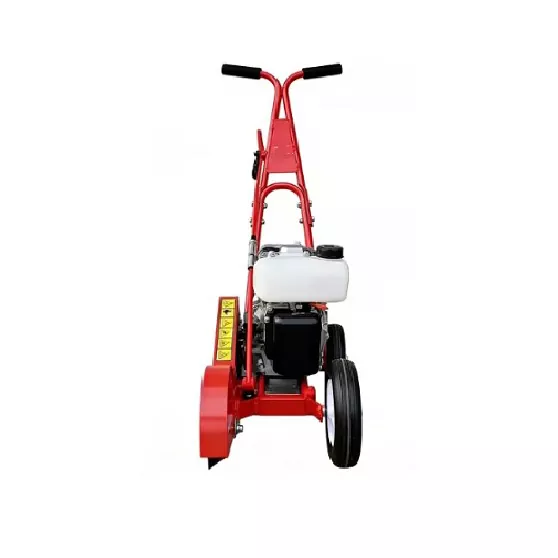
What Are Agricultural Robots?
Agricultural Robots are intelligent machines designed to automate farming tasks. These robots use technologies such as artificial intelligence (AI), GPS navigation, sensors, machine vision, and automation systems to perform agricultural work with minimal human intervention.
They can be used in different farming activities, including:
- Planting
- Harvesting
- Spraying pesticides
- Weed control
- Crop monitoring
- Soil analysis
- Irrigation management
- Fruit picking
These robots help farmers reduce manual labor while improving accuracy and productivity.
Why Are Agricultural Robots Important?
The agricultural industry is under pressure to produce more food with fewer resources. Agricultural Robots provide an effective solution by increasing operational precision and reducing unnecessary costs.
Main Benefits of Agricultural Robots
| Benefit | Description |
|---|---|
| Labor Saving | Reduces dependence on manual labor |
| Higher Efficiency | Operates faster and longer than humans |
| Precision Farming | Improves accuracy in spraying and planting |
| Cost Reduction | Minimizes waste of seeds, fertilizer, and pesticides |
| Better Crop Quality | Ensures consistent farming operations |
| Environmental Protection | Reduces chemical overuse and soil damage |
By integrating Agricultural Robots into farming operations, farms can significantly improve productivity while maintaining sustainable practices.
How Agricultural Robots Improve Farming Efficiency
Traditional farming methods often rely heavily on human labor and experience. However, robotic systems can perform repetitive tasks more efficiently and accurately.
1. Precision Spraying
Agricultural spraying robots and drones can identify target areas and spray pesticides precisely. This reduces chemical waste and protects nearby crops.
2. Autonomous Harvesting
Harvesting robots use cameras and AI technology to detect ripe fruits and vegetables. They can work continuously without fatigue, improving harvesting speed during peak seasons.
3. Smart Monitoring
Robots equipped with sensors can collect real-time data about crop health, soil moisture, and temperature. Farmers can make faster and more accurate decisions based on this information.
4. Weed Management
AI-powered robots can identify weeds and remove them automatically, reducing the need for herbicides and improving environmental sustainability.
Types of Agricultural Robots
Different farming environments require different robotic solutions. Below are some of the most common types of Agricultural Robots used today.
Autonomous Tractors
These driverless tractors use GPS and automation systems to perform plowing, seeding, and cultivation tasks with high precision.
Agricultural Drones
Drones are widely used for aerial spraying, crop monitoring, and field mapping. They help farmers monitor large agricultural areas quickly.
Harvesting Robots
These robots are designed for picking fruits, vegetables, and other crops with minimal damage.
Milking Robots
In dairy farms, robotic milking systems automate the milking process while improving animal management efficiency.
Weeding Robots
Smart weeding robots use cameras and AI to distinguish weeds from crops and remove unwanted plants precisely.
Agricultural Robots vs Traditional Farming
| Feature | Agricultural Robots | Traditional Farming |
|---|---|---|
| Labor Requirement | Low | High |
| Accuracy | High Precision | Human Error Possible |
| Operating Time | 24/7 Operation | Limited Working Hours |
| Data Collection | Real-Time Monitoring | Manual Recording |
| Resource Waste | Minimal | Higher |
| Long-Term Cost | Lower | Higher |
This comparison clearly shows why more agricultural businesses are investing in robotic farming technologies.
How AI and Automation Are Changing Agriculture
Artificial intelligence is one of the key technologies behind Agricultural Robots. AI systems allow robots to analyze crop conditions, identify diseases, and optimize farming decisions automatically.
Key Technologies Used
- Machine Vision
- GPS Navigation
- AI Algorithms
- Sensor Technology
- Internet of Things (IoT)
- Cloud Data Analysis
These technologies enable robots to perform highly complex agricultural tasks with remarkable precision.
Why Choose Tianjin Weide Aviation Technology Co., Ltd.?
Tianjin Weide Aviation Technology Co., Ltd. is committed to providing advanced Agricultural Robots and smart farming solutions for global customers. The company focuses on combining aviation technology, intelligent automation, and agricultural innovation to improve modern farming efficiency.
Advantages of the Company
- Advanced robotic technology
- Professional R&D team
- High-quality agricultural drones
- Smart automation systems
- Customized farming solutions
- Reliable technical support
With years of industry experience, Tianjin Weide Aviation Technology Co., Ltd. continues to help agricultural enterprises improve productivity and reduce operational costs.
Future Trends of Agricultural Robots
The future of Agricultural Robots is highly promising. As technology continues to evolve, robots will become smarter, more affordable, and more widely used across the global agriculture industry.
Future Development Directions
- Fully autonomous farming systems
- AI-driven crop management
- Smart greenhouse robotics
- Real-time remote farm control
- Sustainable precision agriculture
- Multi-functional farming drones
These innovations will further improve food production efficiency while supporting environmental sustainability.
Conclusion
Agricultural Robots are revolutionizing the farming industry by improving productivity, reducing labor dependence, and enabling precision agriculture. From autonomous tractors to intelligent drones, robotic systems are helping farms operate more efficiently and sustainably.
As a trusted technology provider, Tianjin Weide Aviation Technology Co., Ltd. continues to deliver innovative Agricultural Robots and smart farming solutions for customers worldwide. Whether you are looking to improve spraying efficiency, automate crop monitoring, or modernize your agricultural operations, advanced robotic technology can provide the competitive advantage your farm needs.
If you are interested in advanced Agricultural Robots and intelligent farming solutions, please contact us today to learn more about our products and customized services.