

What Maintenance Practices Extend the Lifespan of a Spiral Feeding Machine
2026-02-25
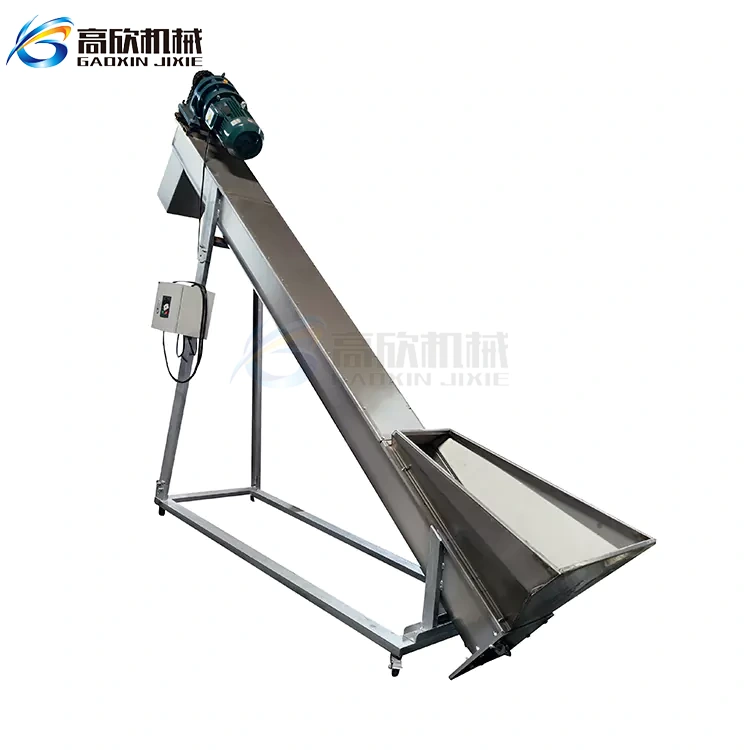
Ensuring the longevity of your industrial equipment requires a strategic approach to upkeep. For facilities utilizing a Spiral Feeding Machine, regular maintenance is not just a recommendation; it is a necessity to prevent costly downtime and preserve precision. At Gaoxin, we design our equipment for durability, but the operational habits of the team using the machine ultimately determine its service life. Below, we outline the critical practices that will keep your Spiral Feeding Machine operating at peak performance for years to come.
Daily and Weekly Inspection Routines
Routine visual checks are the first line of defense against mechanical failure. Before starting production each day, operators should focus on the areas most susceptible to wear.
-
Drive Mechanism Check: Inspect the motor and gearbox for unusual noises or vibrations. Listen for grinding sounds that indicate bearing wear.
-
Fastener Tightness: Vibration can loosen bolts and set screws. A weekly check ensures all connections remain secure.
-
Material Residue: Remove any buildup of material around the spiral and inlet/outlet chutes. Accumulation can unbalance the spiral and strain the drive components.
Lubrication Schedule and Techniques
Proper lubrication minimizes friction, which is the primary cause of component degradation. Different parts of the Spiral Feeding Machine require different lubrication strategies.
| Component | Lubrication Type | Frequency | Key Indicator |
|---|---|---|---|
| Drive Bearings | High-temperature grease | Every 500 hours | Smooth rotation, no chatter |
| Gearbox | ISO 220 Gear Oil | Every 2,500 hours | Oil clarity, no metal particles |
| Spiral Shaft | Light machine oil | Weekly | Clean surface, free rotation |
| Support Bearings | Lithium-based grease | Every 1,000 hours | No play in the shaft |
Utilizing the correct lubricants prevents premature seizing. Gaoxin recommends keeping a log of lubrication activities to ensure consistency and to track usage patterns that might indicate a leak or seal failure.
Wear Part Inspection and Replacement
The spiral itself and the liner inside the trough are the hardest working components. They are subject to constant abrasion, especially when handling sharp or dense materials.
-
Flight Thickness: Measure the thickness of the spiral flight edges every quarter. If the edge has worn down by more than 25% of the original thickness, replacement planning should begin immediately.
-
Trough Liner: Check for grooves or holes worn through the liner. A compromised liner exposes the steel trough, leading to rapid corrosion and potential leakage.
-
End Bearings: These bearings take the most thrust. If you notice endplay (the shaft moving back and forth), the thrust bearings likely need adjustment or replacement.
Alignment and Tension Verification
Misalignment is a silent killer of drive components. Even a minor offset between the motor shaft and the gearbox input can cause excessive vibration and heat.
-
Shaft Alignment: Use a dial indicator or laser tool annually to verify that the drive shafts are perfectly aligned.
-
Chain/Belt Tension: If your Spiral Feeding Machine uses a chain or belt drive, check the tension monthly. A belt that is too tight will wear bearings; one that is too loose will slip and cause speed inconsistencies.
Operational Best Practices
How the machine is fed is just as important as how it is maintained. Operators should avoid "choke feeding" the unit, which means overloading the inlet. This forces the spiral to work against a solid column of material, dramatically increasing torque and wear. Instead, maintain a consistent, metered flow.
FAQ: Common Questions About Spiral Feeding Machine Maintenance
Q: How often should I replace the lubricant in the gearbox of my Spiral Feeding Machine?
A: For a Spiral Feeding Machine operating under standard conditions (8-10 hours per day), the gearbox oil should be completely drained and replaced every 2,500 operating hours or every six months, whichever comes first. However, if the machine operates in a dusty environment or handles high-temperature materials, you should check the oil viscosity and cleanliness quarterly. Contaminated oil with metal particles is a sign of internal wear and requires immediate change.
Q: What are the warning signs that the spiral shaft is failing?
A: The most common indicators include unusual knocking or thumping sounds coming from the trough, which suggests the flight is hitting a warped liner or a foreign object. Additionally, if you observe a reduction in the discharge rate while the motor RPM remains constant, the spiral flights may be worn down, reducing their pushing efficiency. Visible sagging at the center of the shaft when the machine is empty is a critical sign that the shaft has lost its structural integrity and needs immediate replacement.
Q: Can I weld repairs on the spiral flight, or should I replace it entirely?
A: While minor cracks can sometimes be welded, it is generally recommended to replace the spiral flight rather than performing extensive welding. Welding can warp the thin metal of the flight, destroying the precise tolerance between the flight and the trough. This loss of clearance reduces efficiency and can lead to material grinding and jamming. Gaoxin offers replacement spirals designed to match the original specifications perfectly, ensuring optimal clearance and performance.
Extend Your Machine's Life Today
Effective maintenance is an investment in your production stability. By following these guidelines, you protect your equipment and ensure your return on investment. If you are looking for replacement parts or need expert advice on servicing your current model, the team at Gaoxin is ready to assist.
Contact Gaoxin Today to speak with a specialist about maintaining your Spiral Feeding Machine or to request a quote for durable, high-quality replacement components. Let us help you keep your production line moving efficiently.