

What Are the Key Environmental Benefits and Potential Drawbacks of Adopting Hydroponic Sponge Cultivation on a Global Scale
2026-03-24
As the global population surges and arable land diminishes, innovative agricultural methods are shifting from niche experiments to essential solutions. Among these, Soilless Hydroponic Sponge Cultivation has emerged as a compelling alternative to traditional soil-based farming. By utilizing inert, porous sponges as a substrate to deliver nutrient-rich water directly to plant roots, this method promises high efficiency and reduced environmental impact. Xirangyuan, a pioneer in advanced agricultural substrates, has been at the forefront of refining this technology to meet the demands of modern, sustainable food production. However, while the environmental benefits are significant, a professional analysis requires a balanced examination of the potential drawbacks associated with scaling this technology globally.
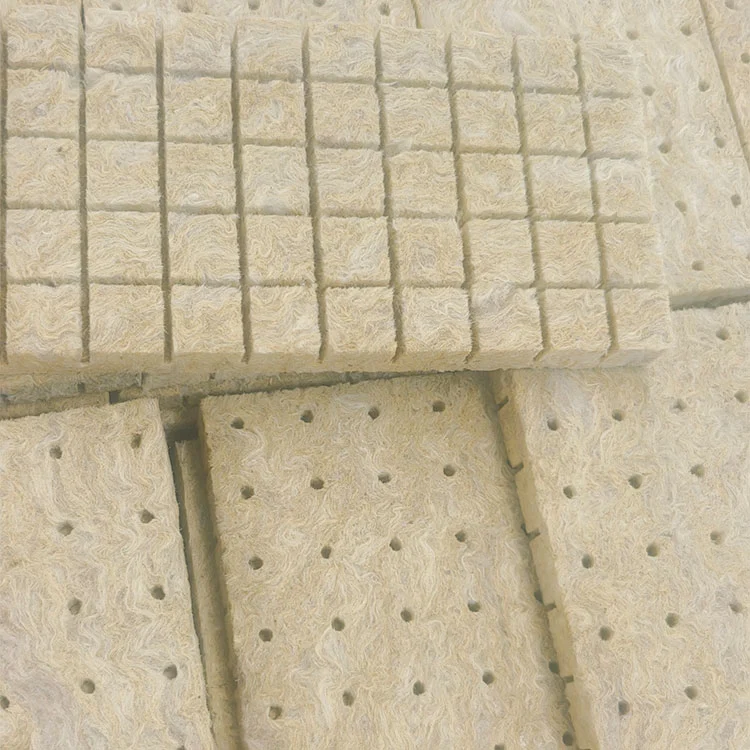
Environmental Benefits and Drawbacks at a Glance
To objectively assess the viability of Soilless Hydroponic Sponge Cultivation, it is essential to weigh its ecological advantages against its operational challenges. The table below summarizes the key factors.
| Aspect | Environmental Benefits | Potential Drawbacks |
|---|---|---|
| Water Usage | 90-95% reduction in water consumption compared to soil farming; systems recirculate water, eliminating runoff and groundwater contamination. | Initial setup requires potable water; system leaks can negate efficiency gains if infrastructure is poor. |
| Land Use | Enables vertical farming, drastically reducing land footprint; allows cultivation in non-arable areas (deserts, rooftops, urban centers). | Production relies on controlled environments (greenhouses/indoor facilities); natural soil biodiversity is bypassed, not restored. |
| Resource Inputs | Precise nutrient delivery prevents over-fertilization; eliminates need for chemical pesticides and herbicides. | Reliance on sponge substrates (often polymer-based) raises concerns about material sourcing and end-of-life disposal. |
| Carbon Footprint | Reduces food miles by enabling local production in urban centers; consistent yields minimize harvest waste. | High energy consumption for lighting, climate control, and water circulation if renewable energy is not utilized. |
Sustainability Challenges and Solutions
The primary environmental criticism of Soilless Hydroponic Sponge Cultivation often centers on the materials used. Traditional substrates can contribute to plastic waste. However, Xirangyuan addresses this by developing biodegradable and reusable sponge mediums that maintain structural integrity over multiple growth cycles while decomposing safely after disposal. Furthermore, the energy intensity of indoor farming—a common drawback—can be mitigated by integrating solar or wind power, transforming these systems from energy consumers into models of self-sufficient agriculture.
Soilless Hydroponic Sponge Cultivation FAQ
What is the lifespan of a hydroponic sponge substrate before it needs to be replaced
The lifespan of a hydroponic sponge substrate varies significantly based on material quality and crop type. Standard polyurethane-based sponges may last for 3 to 6 months before structural degradation or salt accumulation necessitates replacement. However, advanced substrates developed by Xirangyuan are engineered for extended durability, often supporting 8 to 12 growth cycles over a year with proper sterilization between crops. For commercial growers, replacing sponges annually is standard practice to maintain hygiene and optimal root aeration, though biodegradable options are increasingly available to reduce waste.
How does hydroponic sponge cultivation prevent root diseases compared to other hydroponic systems
Soilless Hydroponic Sponge Cultivation offers superior disease prevention primarily due to its physical structure and isolation. Unlike Deep Water Culture (DWC) systems where roots share a common water reservoir—allowing pathogens like Pythium to spread rapidly—sponge substrates create individual root zones. Each sponge acts as a physical barrier, preventing cross-contamination between plants. Additionally, the sponges maintain an optimal air-to-water ratio, preventing the anaerobic conditions that foster harmful bacteria. When combined with sterile, recirculated nutrient solutions, this system significantly reduces the reliance on chemical fungicides, resulting in cleaner, healthier crops.
Is hydroponic sponge cultivation economically viable for large-scale commercial farming
Yes, it is increasingly viable, but profitability depends heavily on crop selection and energy costs. For high-value, fast-growing crops such as leafy greens, herbs, and microgreens, the system offers rapid return on investment due to accelerated growth cycles (up to 30% faster than soil) and consistent year-round yields. The economic challenge lies in capital expenditure for climate-controlled infrastructure and the recurring cost of sponge substrates. To maximize viability, commercial operations are adopting Xirangyuan substrates specifically designed for high-density vertical layouts, which optimize space and reduce per-unit costs. Success at scale requires integrating renewable energy to offset operational electricity demands and selecting crops that command premium prices for being pesticide-free and locally grown.
Conclusion and Call to Action
Scaling Soilless Hydroponic Sponge Cultivation globally presents a transformative opportunity to reconcile food production with ecological preservation. The benefits—radical water savings, land restoration, and the elimination of agricultural runoff—offer a clear pathway to mitigating agriculture’s environmental footprint. Yet, the drawbacks demand responsible innovation, particularly in material sustainability and energy management. As the industry evolves, solutions like those pioneered by Xirangyuan demonstrate that with thoughtful engineering, the potential drawbacks can be transformed into drivers of further efficiency.
If you are ready to explore how Soilless Hydroponic Sponge Cultivation can enhance your agricultural projects or contribute to a more sustainable future, we invite you to connect with our team. Contact us today to discuss tailored substrate solutions and technical support for your journey toward high-efficiency, eco-friendly growing.