

What Are the Key Benefits of Using Ammonium Chloride in Modern Farming
2026-02-25
Modern agriculture demands solutions that are both effective and economical. Farmers seeking to optimize crop production increasingly turn to Agricultural Ammonium Chloride as a reliable nitrogen source. RONGDA provides high-quality Agricultural Ammonium Chloride designed to meet the rigorous demands of contemporary farming, offering a blend of efficiency and value that supports robust plant growth and improved soil management.
One of the primary advantages of this fertilizer is its high nitrogen content coupled with cost-effectiveness. It delivers essential nutrients that plants can readily absorb, promoting vigorous vegetative growth and higher yield potential. Furthermore, the chloride component plays a specific role in enhancing certain crop qualities, such as improving the fiber strength of crops like cotton and contributing to the disease resistance of various plants. By choosing RONGDA, growers invest in a product that balances performance with economic sense.
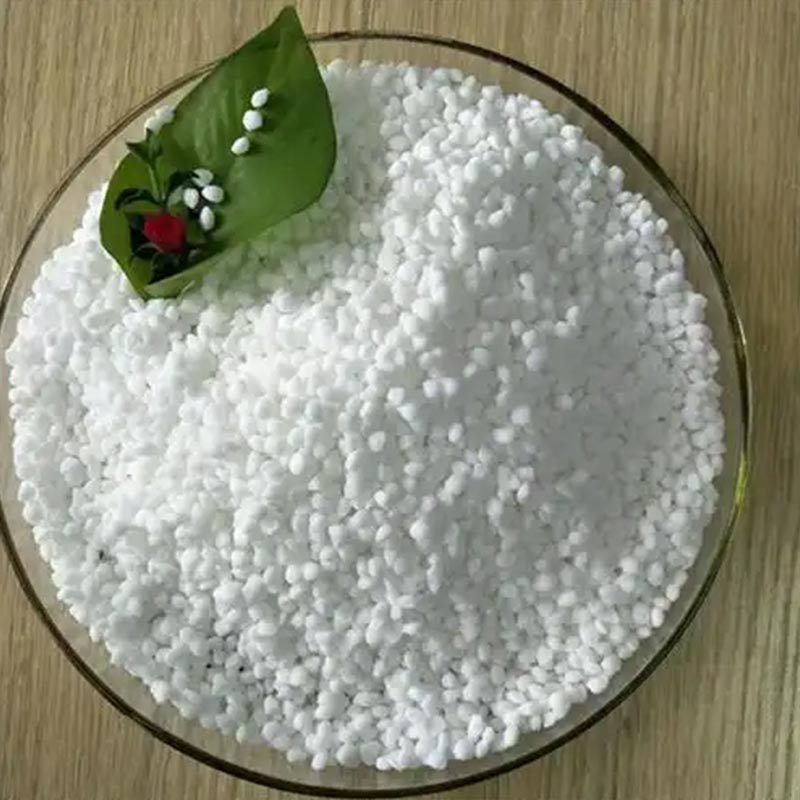
To clearly illustrate the distinct advantages, the following comparison highlights the core benefits of incorporating this fertilizer into a regular program:
| Benefit Category | Specific Advantage | Impact on Farming |
|---|---|---|
| Nutrient Efficiency | High Nitrogen Content (approx. 25%) | Supports rapid vegetative growth and chlorophyll production for greener crops. |
| Crop Quality Enhancement | Supply of Chloride Ions | Improves specific crop qualities like fiber strength in cotton and kernel filling in cereals. |
| Economic Value | Cost-Effective Source | Provides a lower-cost alternative for nitrogen supplementation compared to some other fertilizers. |
| Soil Suitability | Effective for Specific Soils | Particularly beneficial in soils with low chloride levels or for crops that respond well to chloride. |
Effective farming requires making informed decisions about input resources. Agricultural Ammonium Chloride from RONGDA stands out as a practical choice for operations focused on maximizing return on investment without compromising on crop health. Its application is straightforward, integrating easily into existing fertilization schedules for a wide range of field crops, including rice, wheat, and various vegetables. The consistent granulation and purity of RONGDA products ensure uniform application and predictable results in the field.
Frequently Asked Questions about Agricultural Ammonium Chloride
What specific crops benefit most from the application of Agricultural Ammonium Chloride?
Agricultural Ammonium Chloride is particularly effective for rice cultivation, as the ammonium form of nitrogen is well-suited for paddy field conditions where waterlogging can lead to nitrogen loss from other fertilizers. It is also highly beneficial for wheat, maize, and various vegetable crops. Additionally, fiber crops like cotton and jute show improved quality, specifically in fiber strength and length, due to the chloride component. RONGDA recommends conducting a soil test to confirm suitability for specific crop plans.
How should Agricultural Ammonium Chloride be applied to ensure maximum nutrient uptake?
For optimal results, Agricultural Ammonium Chloride should be applied as a basal dressing, worked into the soil before planting or during the early growth stages. This placement allows the ammonium nitrogen to be held by soil particles, reducing the risk of leaching. It can be broadcasted and incorporated, or applied in bands near the seed row, ensuring it does not come into direct contact with seeds to prevent germination issues. For established crops, it can be used as a top-dressing, ideally followed by irrigation to move the nutrients into the root zone. RONGDA advises following recommended application rates based on local agricultural guidelines.
Are there any environmental considerations or soil conditions where using Agricultural Ammonium Chloride is not recommended?
While Agricultural Ammonium Chloride is a highly effective fertilizer, it is best suited for soils that are not already high in chloride or for crops that are chloride-resistant. In regions with high soil salinity or for crops sensitive to chloride (such as some tobacco or fruit varieties), its use should be carefully managed or alternatives considered. It is always prudent to practice balanced fertilization, combining it with phosphorus and potassium sources as needed. RONGDA encourages sustainable farming practices and can provide guidance on responsible application to maximize benefits while minimizing any potential environmental impact.
In conclusion, integrating Agricultural Ammonium Chloride into a modern farming strategy offers a pathway to enhanced productivity and cost management. Its specific benefits in nitrogen delivery and crop quality make it an indispensable tool for the forward-thinking farmer. RONGDA is committed to supporting the agricultural community with superior products and expert knowledge.
For personalized advice on how RONGDA can meet your farm's specific needs or to place an order, please contact us today.