

Torque Management: Selecting Robust Gearboxes for Heavy-Duty Agricultural Machinery
2026-03-24
Why Does Torque Management Matter in Heavy-Duty Agricultural Machinery?
Efficient torque management is a fundamental requirement in modern farming operations, especially across large-scale agricultural environments in North America, Europe, and Southeast Asia. Heavy-duty machinery such as rotary tillers, harvesters, and feed mixers operates under continuous load, often in uneven terrain and high-resistance soil conditions. In these applications, torque fluctuations can lead to mechanical stress, reduced efficiency, and unexpected downtime.
Operators often refer to this issue as load instability, where inconsistent torque delivery affects both performance and equipment lifespan. A properly engineered Agriculture Gearbox ensures smooth torque transmission from the power source to the implement, minimizing energy loss and preventing overload damage. Our factory has worked with contractors and farm operators who require consistent performance during peak seasons, where even minor failures can disrupt entire operations.
In practical terms, torque management is not only about power transfer but also about maintaining operational stability. At Saifu Vietnam Company Limited, engineering teams focus on delivering balanced torque distribution through optimized gear design and material selection. This approach helps reduce wear, improve efficiency, and extend service intervals in demanding agricultural environments.
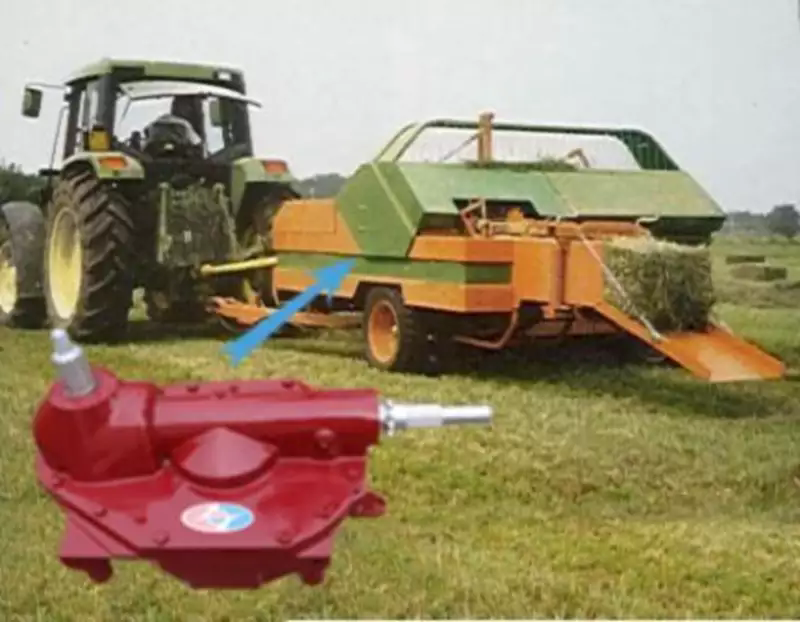
How to Select the Right Agriculture Gearbox for High-Load Applications?
Selecting the right Agriculture Gearbox requires a clear understanding of working conditions, including load type, operating speed, and environmental factors. In regions where high-horsepower tractors are commonly used, torque requirements are significantly higher, making gearbox durability a key consideration.
Our factory recommends evaluating core parameters such as rated torque, gear ratio, input speed, and housing material. These specifications directly influence the gearbox’s ability to handle continuous heavy loads without overheating or mechanical failure.
| Parameter | Typical Range | Impact on Performance |
| Rated Torque | 200 Nm – 5000 Nm | Determines load handling capacity |
| Gear Ratio | 1:1 – 1:5 | Controls speed and torque output |
| Input Speed | 540 RPM – 1000 RPM | Matches tractor PTO standards |
| Housing Material | Cast iron or ductile iron | Improves structural strength |
| Lubrication Type | Oil bath lubrication | Reduces friction and wear |
Saifu Vietnam Company Limited provides customized solutions tailored to specific agricultural applications. By aligning gearbox specifications with real-world operating demands, our team ensures reliable performance and reduced maintenance frequency.
What Design Features Improve Durability in Agriculture Gearbox Systems?
Durability is a critical factor in heavy-duty agricultural operations, where equipment is exposed to dust, moisture, and high mechanical stress. Advanced design features play a vital role in extending the lifespan of an Agriculture Gearbox.
Our factory integrates hardened alloy steel gears and precision machining processes to ensure consistent load distribution. Surface treatments such as carburizing and nitriding enhance wear resistance, while reinforced seals prevent contamination from entering the system.
Another key factor is thermal management. Continuous operation generates heat, which can degrade lubrication quality and accelerate component wear. Proper housing design and lubrication systems help maintain optimal operating temperatures.
| Feature | Technology Used | Benefit |
| Gear Material | Alloy steel | High strength and durability |
| Surface Treatment | Carburizing | Improves wear resistance |
| Seal System | Multi-layer sealing | Prevents contamination |
| Lubrication | Oil circulation | Enhances cooling and efficiency |
| Housing Design | Reinforced structure | Handles heavy loads |
At Saifu, continuous improvements in manufacturing processes ensure that each unit meets the demands of modern agriculture. Our production lines utilize CNC machining and strict quality control procedures to maintain consistency and reliability.
How Can Proper Maintenance Extend Gearbox Service Life in Agricultural Operations?
Routine maintenance is essential for ensuring long-term performance and reducing downtime. In agricultural settings, where equipment is often used intensively during planting and harvesting seasons, maintenance practices directly impact operational efficiency.
Our factory advises regular inspection of lubrication levels, seal conditions, and gear alignment. Contaminated or degraded oil can lead to increased friction and eventual failure of an Agriculture Gearbox. Replacing lubricants at recommended intervals helps maintain optimal performance.
Operators should also monitor for unusual noise, vibration, or temperature increases. These indicators often signal early-stage issues that can be addressed before they develop into major failures. In many cases, preventive maintenance significantly reduces repair costs and extends equipment lifespan.
Training operators on proper usage is equally important. Overloading or improper engagement of PTO systems can create excessive stress on gearbox components. By following recommended operating guidelines, our clients achieve more stable performance and reduced downtime.
How Does System Integration Improve Torque Efficiency in Agricultural Machinery?
Torque efficiency is influenced not only by the gearbox itself but also by the overall system design. Proper integration between the tractor, PTO shaft, and implement ensures smooth power transmission and minimizes energy loss.
Our factory collaborates with equipment manufacturers to optimize compatibility between components. Misalignment or incorrect sizing can lead to uneven torque distribution, which increases wear and reduces efficiency.
Advanced agricultural systems increasingly adopt monitoring technologies to track performance in real time. Sensors can measure torque load, temperature, and vibration, allowing operators to make adjustments before issues arise. This approach supports predictive maintenance and improves overall equipment reliability.
By combining robust gearbox design with optimized system integration, operators can achieve consistent performance even under demanding conditions. Saifu Vietnam Company Limited continues to support global clients with solutions that meet evolving agricultural requirements.
FAQ
Q1: What factors should be considered when selecting a gearbox for agricultural machinery?
Key factors include torque requirements, operating speed, gear ratio, environmental conditions, and compatibility with existing equipment. Selecting a gearbox that matches actual working conditions ensures better performance and longer service life.
Q2: How can torque overload affect gearbox performance in farming equipment?
Torque overload can cause excessive stress on gears and bearings, leading to premature wear or failure. It may also result in overheating and reduced efficiency. Proper sizing and load management are essential to prevent these issues.
Q3: What maintenance practices help reduce gearbox downtime in agriculture?
Regular lubrication checks, seal inspections, and monitoring of noise and vibration are critical. Preventive maintenance allows early detection of issues, reducing the risk of unexpected breakdowns and improving operational reliability.
Conclusion
Effective torque management is essential for ensuring the reliability and efficiency of heavy-duty agricultural machinery. By selecting the right Agriculture Gearbox, implementing advanced design features, and maintaining proper operating practices, operators can significantly reduce downtime and improve productivity.
Our factory is dedicated to providing durable and customized solutions that meet the demands of modern farming. Contact our team today to explore tailored gearbox options and receive professional support for your agricultural projects.