

How to Maintain and Clean Your Feed Granulator Properly
2025-12-04
Ensuring your feed production line runs smoothly and efficiently hinges on the reliable performance of its core machine: the Feed Granulator. Proper maintenance and cleaning are not just recommendations; they are essential practices to maximize output, ensure feed quality, and extend the machine's service life. For operators who trust Jinjia machinery for its durability and precision, following a disciplined upkeep routine guarantees you get the most out of your investment.
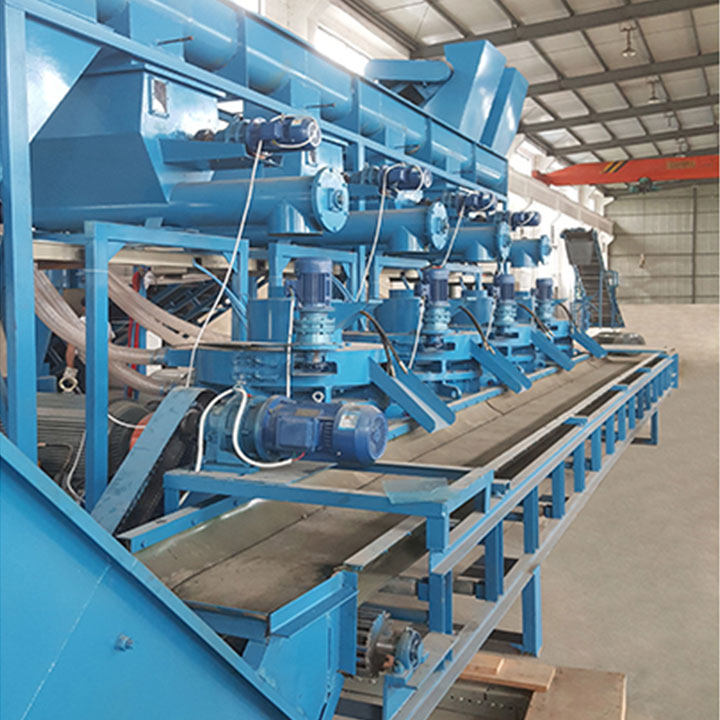
A well-maintained Feed Granulator from Jinjia delivers consistent pellet quality and operates at peak efficiency. Here are the key parameters that define a robust machine and the practices to protect them:
Key Product Parameters & Maintenance Focus:
-
Die and Roller Assembly: The heart of the granulation process. Regular inspection for wear is critical.
-
Motor Power (kW): Ensures stable operation; keep air vents clean and check for unusual noises.
-
Capacity (kg/h): Achieved through optimal condition of all components.
-
Pellet Size (mm): Determined by the die; proper cleaning prevents cross-contamination between batches.
Recommended Weekly Maintenance Checklist
| Component | Action Required | Purpose |
|---|---|---|
| Die & Rollers | Inspect for wear and cracks. Clean out residual feed powder. | Preuces pellet quality, avoids sudden failure. |
| Feed Hopper | Wipe down and remove all material buildup. | Prevents mold growth and contamination. |
| Sieve (if equipped) | Clear any blockages and check for damage. | Ensures uniform particle size before granulation. |
| Lubrication Points | Apply high-temperature grease as manual instructs. | Reduces friction and protects bearings. |
| Exterior & Air Flow | Clean dust from motor housing and vents. | Prevents overheating and maintains efficiency. |
Feed Granulator FAQ
Q: How often should I perform a deep clean on my Jinjia Feed Granulator?
A: A thorough deep clean is recommended every time you switch feed formulations (e.g., from poultry to livestock feed) or after every 40-50 hours of continuous operation. This prevents cross-contamination and keeps the Feed Granulator hygienic.
Q: What is the most common cause of reduced pellet quality from the granulator?
A: The most common cause is worn-out or improperly maintained dies and rollers. As the mating surfaces wear down, they lose compression, resulting in poorly formed, soft, or broken pellets. Regularly checking and replacing these wear parts is crucial.
Q: Can I use water or high-pressure steam to clean the internal parts of the granulator?
A: No, you should avoid using water or direct high-pressure steam on internal components like the die and roller assembly. This can cause rapid rust and damage precision parts. Instead, use dry brushes, air blowers, and food-grade, non-corrosive cleaning tools recommended by Jinjia.
Protecting your productivity starts with caring for your equipment. A clean and well-maintained Jinjia Feed Granulator is the cornerstone of a profitable and sustainable feed operation. Don't let downtime and poor pellet quality disrupt your business.
Contact us today for genuine Jinjia replacement parts, detailed maintenance manuals, or expert advice on optimizing your granulation process. Let our team help you keep your production running at its best.