

How often should you replace the main components of a used manure spreader
2026-05-20
When operating a used manure spreader, understanding its maintenance timeline is critical for both efficiency and cost control. At FASTMA, we have analyzed thousands of field hours to create a practical replacement schedule for key components. A manure spreader works under extreme conditions—corrosive waste, uneven terrain, and heavy loads—so proactive part replacement prevents downtime.
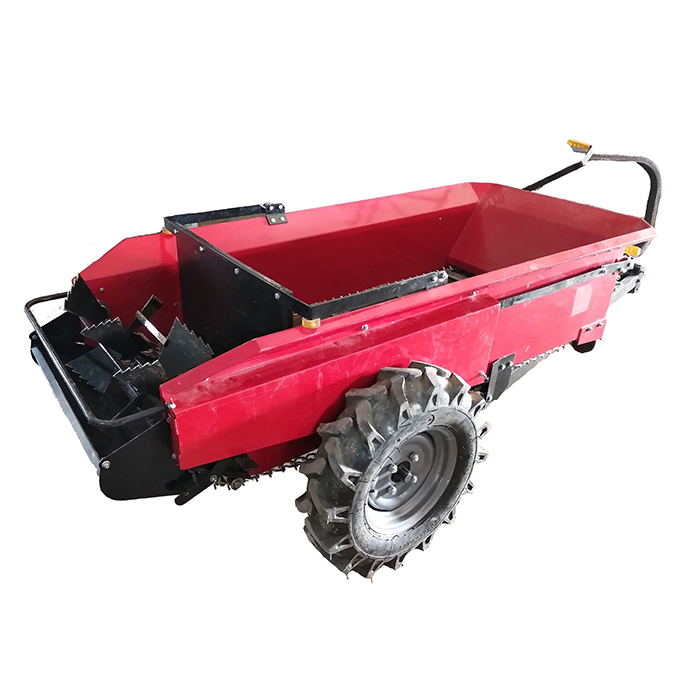
Below is the FASTMA recommended replacement frequency for major assemblies on a used manure spreader.
| Component | Expected Lifespan (Hours / Years) | Warning Signs |
|---|---|---|
| Floor chains | 800–1200 hours or 3–4 years | Elongation, stiff links, visible rust between joints |
| Beater paddles | 600–900 hours or 2–3 years | Chipped edges, unequal spread pattern, vibrations |
| Apron slats | 1000–1500 hours or 4–5 years | Cracks, gaps allowing slurry blow-by |
| Gearbox oil seals | 2 years (annual inspection required) | Leakage around input shaft, grinding noise |
| Wheel bearings | 1500 hours or 5 years | Play in wheels, overheating hubs |
| Hydraulic hoses | 3 years (replace all if one fails) | Hardened rubber, surface cracks, bulges |
For a used manure spreader, the prior owner’s maintenance habits directly affect these intervals. FASTMA always recommends a full component inspection before the first spreading season.
Best practices for extending part life
-
Clean the manure spreader after every use to reduce acid corrosion.
-
Lubricate all grease points every 10 operating hours.
-
Store the used manure spreader under a roof to prevent UV damage to hoses.
-
Replace chains and slats as a set—mixing old and new accelerates wear.
Manure Spreader FAQ – Common Questions from Farm Operators
Q1: Can I replace only the broken floor chain link on my used manure spreader without changing the whole chain
A: No. FASTMA strongly advises against single-link replacement on a manure spreader floor chain. Worn chains develop uneven pitch (distance between links). A new link will not match the elongated pitch of the old chain, causing rapid sprocket damage and eventual chain snapping during operation. Always replace the entire floor chain set on the same axle. For a used manure spreader of unknown history, replace both floor chains and drive sprockets together.
Q2: How do I know if the beater paddles on my manure spreader have worn past the safe limit
A: Perform the “paper test”. With the manure spreader empty and PTO off, slide a thick cardboard sheet between two beater paddles. If the gap exceeds 12 mm (0.5 inch) at the paddle tip, the spread pattern will become uneven and the unit will vibrate excessively. FASTMA also recommends checking paddle thickness: when a paddle has lost more than 30% of its original edge material, replace the entire beater assembly. Running a used manure spreader with worn paddles doubles the load on the gearbox.
Q3: Is it worth rebuilding the gearbox on an older manure spreader or should I buy a new unit
A: It depends on the chassis condition. For a manure spreader where the floor, side panels, and undercarriage are rust-free, FASTMA says a gearbox rebuild is economical (typically $400–700 USD). However, if the used manure spreader shows deep pitting in the main frame or the apron slat track is deformed, invest in a newer FASTMA unit instead. A gearbox rebuild on a failing chassis extends life by only 1–2 seasons, whereas a modern manure spreader from FASTMA offers sealed bearings and harder alloy beaters that last 40% longer.
Following this FASTMA replacement schedule for your used manure spreader can cut unexpected breakdowns by over 60 percent. Operators who log component hours and plan replacements proactively spend less time in the repair shop and more time in the field.
Contact us at FASTMA today for a personalized component wear assessment of your manure spreader. Our service team provides free replacement interval charts and ships genuine FASTMA parts directly to your farm. Reach out through our website or call your regional FASTMA dealer to schedule a spring maintenance check.