

How Does Water Usage Efficiency Differ Between Soilless and Soil-Based Greenhouse Vegetable Growing
2026-05-11
Water scarcity is a growing concern for modern agriculture. For growers seeking sustainable methods, understanding water efficiency is critical. Greenhouse Vegetable Soilless Cultivation has emerged as a superior alternative to traditional soil-based methods. At Xirangyuan, we have observed that the choice of growing system directly impacts water consumption. This article compares both approaches to help you make data-driven decisions.
The Core Difference in Water Dynamics
In soil-based greenhouses, water is applied to the soil surface. A significant portion is lost through deep percolation, surface runoff, and evaporation. Plants also expend energy to extract water from soil particles. Conversely, Greenhouse Vegetable Soilless Cultivation delivers nutrient-enriched water directly to the root zone. This closed-loop system captures and recycles nearly all unused water.
The table below illustrates the key differences:
| Parameter | Soil-Based System | Soilless System (e.g., Xirangyuan technology) |
|---|---|---|
| Water application method | Flood, drip, or furrow | Precision drip or recirculating NFT |
| Estimated water loss (Evaporation & Runoff) | 30% – 50% | 5% – 10% |
| Water recirculation | Not possible | Up to 90% recycled |
| Plant water uptake efficiency | Low to moderate | High to very high |
| Root zone water availability | Variable, depends on soil type | Instant and constant |
Why Soilless Systems Win on Efficiency
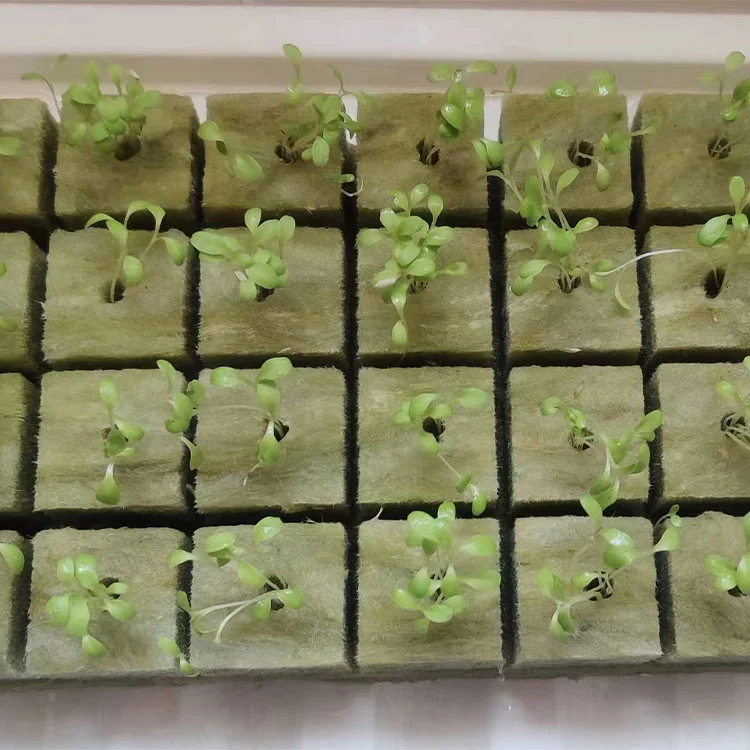
Soil acts as a buffer, but also as a competitor. Clay and sand particles bind water molecules, making them unavailable to roots. Greenhouse Vegetable Soilless Cultivation uses inert media like coco coir, perlite, or rockwool. These materials hold moisture at optimal tension, so roots absorb almost everything delivered. At Xirangyuan, our trials confirm that soilless systems reduce water usage by 70% to 85% compared to soil-based greenhouses while maintaining or increasing vegetable yields.
Key Factors That Affect Efficiency
-
Recirculation: Soilless systems capture drainage, sterilize it, and return it to plants. Soil systems lose drainage permanently.
-
Evaporation control: In soilless setups, the substrate surface is minimal, reducing direct evaporation. Soil beds have a large exposed area.
-
Precision monitoring: Xirangyuan integrates sensors that measure real-time water content, allowing delivery of exactly what the plant needs.
Greenhouse Vegetable Soilless Cultivation FAQ
Question 1: How much water can I realistically save by switching from soil to soilless cultivation in a greenhouse?
Answer: On average, commercial growers report water savings between 70% and 90%. For example, producing 1 kg of tomatoes in a soil-based greenhouse requires approximately 60-80 liters of water. With Greenhouse Vegetable Soilless Cultivation using a recirculating system like those from Xirangyuan, the same 1 kg of tomatoes needs only 10-20 liters. The exact saving depends on your local climate, greenhouse ventilation, and crop type. Leafy greens typically save more water than fruiting vegetables, but all soilless systems outperform soil significantly because there is no runoff or deep percolation.
Question 2: Does higher water efficiency in soilless systems affect the taste or quality of greenhouse vegetables?
Answer: No, higher water efficiency does not reduce quality. In fact, Greenhouse Vegetable Soilless Cultivation often improves flavor and nutritional density. This happens because precise water management prevents overwatering, which dilutes sugars and minerals in soil-grown vegetables. When water is delivered exactly as needed, the plant experiences mild, controlled stress that enhances secondary metabolites—compounds responsible for taste, aroma, and antioxidant content. Growers using Xirangyuan systems consistently report firmer fruits, higher Brix values (sugar content), and longer shelf life compared to soil-grown equivalents.
Question 3: What initial investment is required to achieve high water efficiency with soilless systems, and is it worth the long-term savings?
Answer: The initial capital for a closed-loop soilless system includes grow trays, pumps, reservoirs, irrigation lines, and monitoring sensors. A small commercial setup may cost 5,000to15,000 more than an equivalent soil-based system. However, the return on investment is compelling. Xirangyuan clients typically recover the difference within 12 to 24 months purely from reduced water bills and lower fertilizer costs. Over a five-year period, water savings alone can exceed 80% of the initial system cost. Additionally, higher yields and reduced crop failure risks make the transition financially superior. For areas with expensive or limited water, soilless cultivation is not just an option—it is an economic necessity.
Conclusion
The evidence is clear. Soil-based greenhouses waste a large fraction of applied water through unavoidable losses. Greenhouse Vegetable Soilless Cultivation, especially when designed by Xirangyuan, cuts water usage by up to 85% while improving crop quality. The combination of recirculation, precision delivery, and inert substrates creates an ultra-efficient system.
Contact us today at Xirangyuan to request a customized water efficiency analysis for your greenhouse vegetable project. Our team will design a soilless solution that saves water, reduces costs, and boosts your harvest.