

How Does Rockwool Seedling Cultivation Improve Germination and Seedling Quality?
2026-03-11
Article Summary
Rockwool seedling cultivation has become a preferred method in modern horticulture and greenhouse production. Known for its excellent water retention, aeration capacity, and sterile structure, rockwool provides an ideal environment for seed germination and early plant development. This article explains how rockwool seedling cultivation works, why it improves seedling uniformity, and how growers can implement it effectively. It also covers key parameters, practical growing steps, and answers common questions from growers seeking reliable propagation solutions.
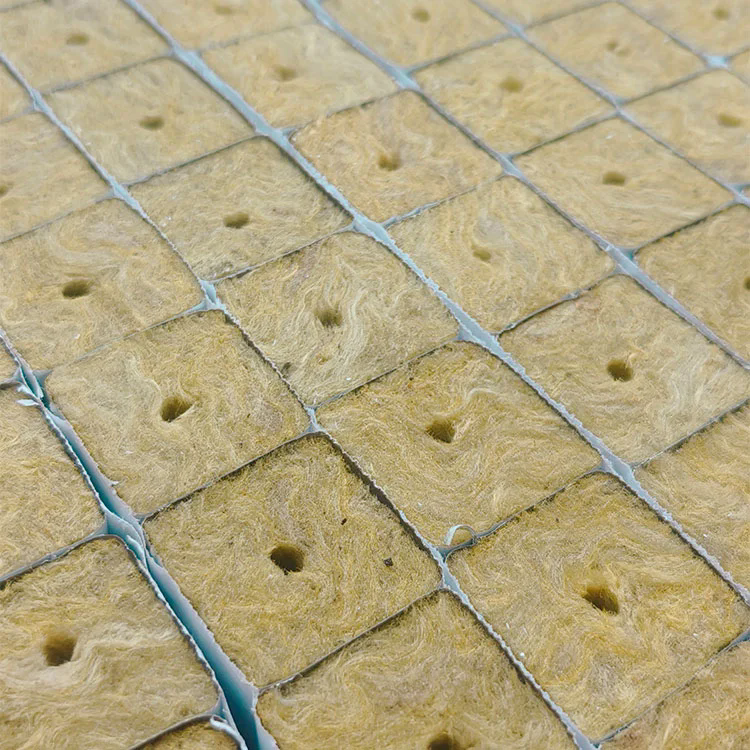
Table of Contents
- Introduction to Rockwool Seedling Cultivation
- Why Rockwool Is Ideal for Seed Germination
- Key Parameters of Rockwool Seedling Cultivation Media
- How Rockwool Seedling Cultivation Works Step by Step
- Advantages Compared With Traditional Soil Propagation
- Common Challenges and Practical Solutions
- Applications in Commercial Agriculture
- Frequently Asked Questions
- Conclusion
Introduction to Rockwool Seedling Cultivation
Seedling quality determines the success of the entire crop cycle. Weak or uneven seedlings often lead to inconsistent plant growth, lower yields, and higher management costs. As greenhouse production and hydroponic farming expand worldwide, growers are increasingly adopting rockwool seedling cultivation as a reliable propagation method.
Rockwool is a fibrous growing medium produced by melting natural basalt rock and spinning it into fine fibers. The resulting material forms lightweight cubes or slabs that provide both water retention and air circulation. These characteristics create a balanced root-zone environment that supports rapid germination and strong root development.
Companies such as Xirangyuan provide specialized rockwool seedling cultivation products designed for modern horticultural operations. These solutions allow growers to maintain consistent moisture levels, reduce disease risks, and improve seedling uniformity across large-scale production systems.
Why Rockwool Is Ideal for Seed Germination
Successful seed germination depends on three essential conditions: moisture, oxygen, and temperature stability. Traditional soil-based propagation sometimes struggles to maintain this balance. Rockwool, however, is engineered to create an optimal microenvironment for seeds.
Main characteristics that support seedling development include:
- High water retention capacity that keeps seeds evenly hydrated
- Excellent air porosity allowing oxygen to reach developing roots
- Uniform density ensuring consistent moisture distribution
- Sterile structure reducing pathogen contamination
- Stable physical structure that supports root expansion
Because of these properties, rockwool seedling cultivation is widely used for vegetables such as tomatoes, cucumbers, peppers, and lettuce. It is also increasingly used in flower production and vertical farming systems.
Key Parameters of Rockwool Seedling Cultivation Media
Understanding the technical characteristics of rockwool helps growers optimize propagation results. The following table outlines typical parameters associated with rockwool seedling cubes.
| Parameter | Description | Typical Range |
|---|---|---|
| Material Composition | Basalt rock fibers processed at high temperature | Mineral fiber substrate |
| Water Holding Capacity | Ability to retain moisture for seed hydration | 80–90% |
| Air Porosity | Space available for oxygen flow to roots | 15–30% |
| pH Level | Neutral base suitable for nutrient adjustment | 6.5–7.5 |
| Cube Size | Common dimensions for seed propagation | 25mm – 50mm |
| Application | Hydroponics, greenhouse seedling production | Vegetables, flowers, herbs |
How Rockwool Seedling Cultivation Works Step by Step
Although rockwool seedling cultivation is widely used in commercial agriculture, the process itself is relatively straightforward. By following structured steps, growers can achieve high germination rates and consistent seedling quality.
Step 1 – Preparing the Rockwool Cubes
Before sowing seeds, rockwool cubes should be soaked in clean water or a mild nutrient solution. This step stabilizes the pH and ensures the cubes are evenly hydrated.
Step 2 – Seeding
Each cube contains a small hole designed for seed placement. One seed is typically placed in each cavity to ensure uniform spacing and minimize competition between seedlings.
Step 3 – Maintaining Moisture and Temperature
Seed trays should be kept in a controlled environment with appropriate temperature and humidity levels. Most vegetable seeds germinate well at temperatures between 20°C and 25°C.
Step 4 – Early Root Development
Once seeds germinate, roots begin to penetrate the rockwool fibers. The porous structure provides continuous oxygen supply, which encourages rapid root growth.
Step 5 – Nutrient Introduction
After the first true leaves appear, diluted nutrient solutions can be introduced. Rockwool allows precise nutrient management because it does not contain natural soil minerals.
Step 6 – Transplanting
When seedlings reach the desired stage, the entire rockwool cube can be transferred directly into hydroponic systems, grow slabs, or greenhouse containers without disturbing the roots.
Advantages Compared With Traditional Soil Propagation
Many growers switch to rockwool seedling cultivation because it offers several operational advantages compared with conventional soil propagation.
Key benefits include:
- Consistent seedling size across large batches
- Reduced risk of soil-borne diseases
- Improved root aeration and faster growth
- Cleaner greenhouse environments
- Easy automation and large-scale production
- Efficient nutrient and irrigation management
These benefits are especially important for commercial greenhouse operations where uniform crop performance directly affects productivity and profitability.
Common Challenges and Practical Solutions
While rockwool seedling cultivation is efficient, growers may encounter several operational challenges if the process is not managed properly.
Overwatering
Excess water may reduce oxygen availability around the roots. Using well-drained trays and monitoring irrigation frequency can prevent this issue.
Incorrect pH Levels
Fresh rockwool can have slightly alkaline properties. Pre-soaking the cubes in pH-adjusted water helps create a suitable environment for seeds.
Nutrient Imbalance
Because rockwool is an inert medium, all nutrients must be provided through irrigation. Carefully balanced nutrient solutions are necessary for optimal growth.
Environmental Conditions
Temperature fluctuations and low humidity may slow germination. Controlled greenhouse conditions significantly improve success rates.
Applications in Commercial Agriculture
Rockwool seedling cultivation is widely used in modern agricultural systems where precision and efficiency are essential.
Typical applications include:
- Greenhouse vegetable production
- Hydroponic farming
- Vertical farming systems
- Commercial herb cultivation
- Ornamental flower propagation
As controlled-environment agriculture continues to expand globally, the demand for reliable propagation media like rockwool is expected to increase. Solutions developed by companies such as Xirangyuan help growers maintain consistent seedling quality while improving operational efficiency.
Frequently Asked Questions
Q1: Is rockwool safe for plant cultivation?
Yes. Rockwool is widely used in horticulture and hydroponic systems. It is an inert growing medium that does not release harmful substances into the plant environment.
Q2: Do rockwool seedlings require fertilizer?
Yes. Since rockwool contains no natural nutrients, plants must receive nutrients through irrigation solutions once the seedlings begin active growth.
Q3: Can rockwool cubes be transplanted directly into hydroponic systems?
Yes. One major advantage of rockwool seedling cultivation is that the cubes can be transferred directly into larger grow slabs or hydroponic channels without damaging roots.
Q4: What crops grow best in rockwool seedling cubes?
Vegetables such as tomatoes, cucumbers, peppers, and lettuce perform very well in rockwool systems. Many herbs and flowers also respond positively to this propagation method.
Conclusion
Rockwool seedling cultivation provides a stable, sterile, and highly efficient environment for seed germination and early plant growth. Its balanced moisture retention and air porosity create ideal root-zone conditions that lead to stronger seedlings and more uniform crops. For commercial growers, these advantages translate into improved productivity, cleaner operations, and more predictable crop performance.
High-quality rockwool cultivation solutions from Xirangyuan are designed to support modern greenhouse and hydroponic agriculture. If you are looking to improve seedling consistency and optimize your propagation system, contact us today to learn more about our professional rockwool seedling cultivation products and how they can support your growing operations.