

How Does an Agricultural Seedling Block Improve Crop Production?
2026-03-16
Summary: Agricultural seedling blocks are revolutionizing modern farming by providing a structured, efficient, and sustainable method for starting crops. This article explores their benefits, uses, and practical guidance to help farmers optimize growth, reduce labor, and enhance yields.
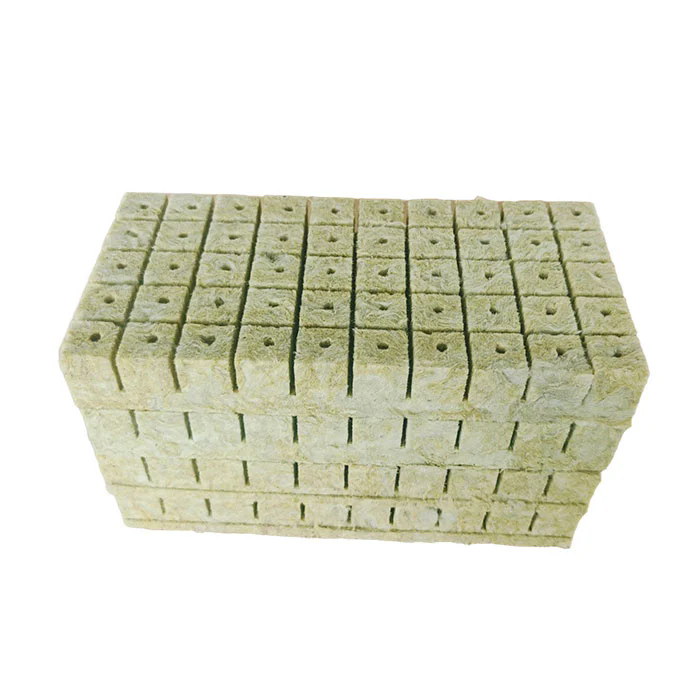
Table of Contents
- Overview of Agricultural Seedling Blocks
- Key Benefits for Farmers
- Types of Seedling Blocks
- Practical Usage Guide
- Product Parameters
- Frequently Asked Questions
- Conclusion
Overview of Agricultural Seedling Blocks
Agricultural seedling blocks are pre-formed substrates designed for growing young plants before transplanting them into fields or larger containers. Unlike traditional sowing in soil trays, seedling blocks provide uniform growth conditions, improve root development, and reduce transplant shock. They are particularly effective for vegetables, flowers, and cash crops requiring controlled environments in early stages.
Modern seedling blocks are typically made from a combination of organic matter, peat, coco coir, and nutrient additives, providing a balanced growth medium. Their compact structure allows easy handling, precise spacing, and efficient irrigation management.
Key Benefits for Farmers
- Improved Root Health: Blocks ensure optimal aeration and moisture retention, promoting strong and fibrous root systems.
- Labor Efficiency: Pre-formed blocks simplify transplanting, reducing manual labor and saving time.
- Uniform Crop Growth: Standardized block size ensures consistent growth rates and plant quality.
- Reduced Transplant Shock: Plants adapt better when moved to the field due to minimal disturbance to roots.
- Space Optimization: Blocks can be stacked or arranged efficiently, maximizing nursery space.
- Sustainable Practices: Many blocks use biodegradable materials, reducing plastic waste in nurseries.
Types of Seedling Blocks
Choosing the right type of seedling block depends on crop type, climate, and nursery infrastructure. The main categories include:
- Peat-Based Blocks: High water retention, ideal for vegetables like tomatoes, peppers, and leafy greens.
- Coco Coir Blocks: Sustainable and lightweight, suitable for flowers and herbs.
- Compressed Organic Blocks: Mixed with composted materials, providing rich nutrients for early growth.
- Multi-Cell Blocks: Contain several plant cavities, allowing batch sowing and easy separation for transplanting.
Practical Usage Guide
Proper handling and preparation of agricultural seedling blocks ensure optimal results:
- Hydration: Soak blocks in water before sowing seeds to ensure uniform moisture.
- Seed Placement: Plant seeds in designated cavities with appropriate depth to avoid over- or under-sowing.
- Temperature & Light: Maintain appropriate temperature and light for each crop; use greenhouses or shading nets if needed.
- Fertilization: Apply mild nutrient solution during the seedling stage; avoid over-fertilization to prevent root burn.
- Transplanting: Gently separate blocks or plant them directly in the soil depending on block design. Ensure soil moisture is adequate for post-transplant growth.
Product Parameters
The following table illustrates typical specifications for high-quality agricultural seedling blocks:
| Parameter | Description |
| Material | Peat, coco coir, or organic compost blend |
| Size | Standard 5×5 cm or 4×4 cm per cavity; customizable |
| Water Retention | 500-700% moisture capacity depending on material |
| Degradability | Biodegradable, fully compostable |
| Nutrient Content | Balanced NPK for seedling growth |
| Application | Vegetables, flowers, herbs, cash crops |
Frequently Asked Questions
- Q1: Can seedling blocks be reused for multiple crops?
- A1: Generally, blocks are designed for single-use to ensure disease-free seedlings. Biodegradable blocks decompose naturally and enrich the soil.
- Q2: How long does it take for seedlings to be ready for transplanting?
- A2: Depending on crop type, seedlings are usually ready in 3-6 weeks. Leafy greens may require less time, while tomatoes or peppers need longer nurturing.
- Q3: Do I need special equipment to use these blocks?
- A3: No specialized equipment is required. Standard nursery trays, watering cans, or drip irrigation systems are sufficient. Multi-cell blocks allow easier mechanized transplanting if available.
- Q4: Can seedling blocks be used in hydroponic systems?
- A4: Yes, many coco coir or peat-based blocks are suitable for hydroponics, providing a stable medium for root anchorage and nutrient uptake.
Conclusion
Agricultural seedling blocks are transforming modern farming by offering efficiency, sustainability, and consistent crop growth. They help farmers save time, reduce labor costs, and improve the overall quality of crops. For those seeking reliable seedling blocks, Xirangyuan provides a range of high-quality, eco-friendly solutions designed to meet diverse agricultural needs. Explore more and contact us to optimize your crop production today.