

How Does Agricultural Shade Netting Transform Crop Protection and Future Farming Efficiency?
2025-12-09
Agricultural shade netting has become a cornerstone technology in modern cultivation, offering growers a reliable way to regulate light intensity, reduce heat stress, and improve crop quality across diverse climates.
Understanding Agricultural Shade Netting and Its Technical Foundation
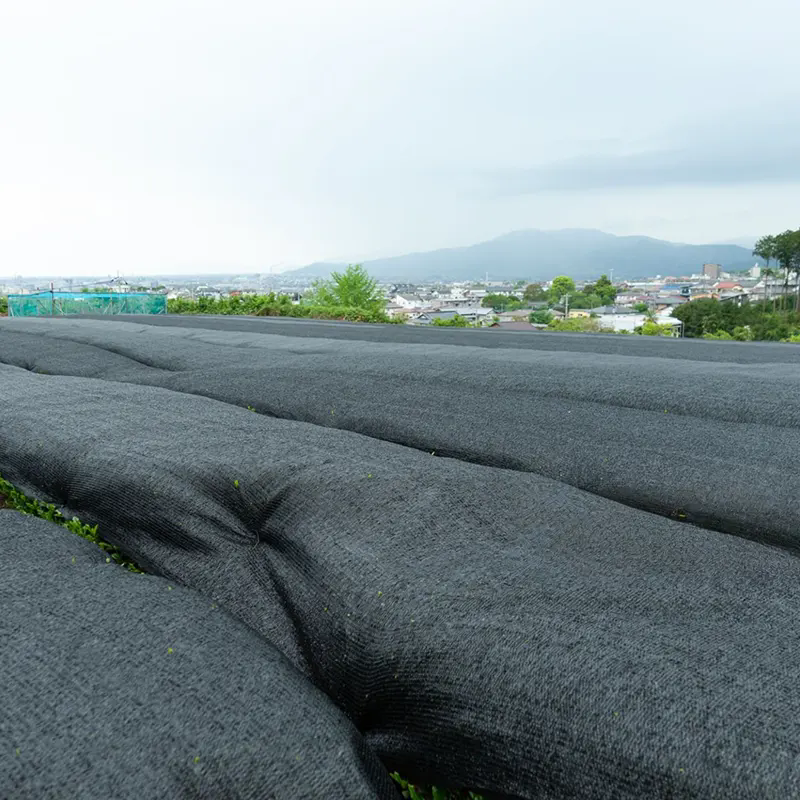
Agricultural shade netting is a protective mesh fabric designed to control solar radiation and microclimate conditions above crops. It is typically manufactured using high-density polyethylene (HDPE), UV-stabilized additives, and reinforced knitting structures to ensure durability and long service life. The material allows sunlight to be filtered based on required shading percentages while maintaining essential airflow. This balance helps stabilize temperature, reduce crop evaporation, and shield plants from excessive radiation, wind damage, and certain pests.
Below is a summarized specification reference that reflects industry-standard performance levels for high-grade agricultural shade netting:
| Specification | Details |
|---|---|
| Material | 100% High-Density Polyethylene (HDPE) |
| UV Stabilization | Yes, anti-UV (3–5% additive) |
| Shade Rate Options | 30%, 40%, 50%, 60%, 70%, 80%, 90% |
| Color Options | Black, Green, White, Blue, Custom |
| Manufacturing Process | Raschel knitted or warp knitted |
| Width Range | 1–6 meters (customizable) |
| Length Range | 50–200 meters per roll |
| Tensile Strength | High-grade reinforced mesh |
| Service Life | 5–8 years depending on climate |
| Temperature Resistance | -20°C to 60°C |
| Application Scenarios | Greenhouses, nurseries, fruit plantations, vegetable farms, livestock shading |
The central purpose of agricultural shade netting is to manage environmental stressors that hinder crop development. By filtering sunlight and moderating temperature, it enables growers to maintain healthier, more stable crop conditions. This article explores four key pillars: functional advantages, comparative performance with other shading solutions, future innovation trends, and practical usage scenarios.
How Agricultural Shade Netting Enhances Crop Protection and Farm Productivity
Agricultural shade netting plays a major role in regulating light intensity—one of the most influential factors in plant growth. Excessive sunlight leads to leaf scorching, fruit sunburn, and reduced photosynthetic efficiency. By adjusting shade levels, growers can fine-tune light exposure based on crop type and climate conditions.
1. Light and Temperature Regulation
Shade netting helps maintain optimal microclimate conditions by:
-
Reducing direct solar intensity
-
Lowering daytime temperatures by 4–10°C depending on shade rate
-
Decreasing plant transpiration under heat stress
-
Maintaining humidity balance for improved growth
These benefits are particularly significant for heat-sensitive crops such as lettuce, spinach, tomato seedlings, strawberries, and orchids.
2. Improved Crop Quality and Yield
A stable growing environment leads to:
-
More uniform crop development
-
Reduced leaf burn and fruit cracking
-
Less water consumption due to reduced evaporation
-
Enhanced market value of harvested products
Farms operating in tropical and high-sun regions report measurable quality improvements after switching to shade netting systems.
3. Protection Against External Stress Factors
Agricultural shade netting also functions as a barrier against environmental hazards:
-
Strong winds
-
Heavy rainfall impact
-
Birds and certain insects
-
Dust intrusion
In open-field agriculture, nets provide added protection that keeps crops healthier and cleaner during heavy weather fluctuations.
4. Versatility Across Agricultural Applications
Shade netting is widely used in:
-
Vegetable and fruit farms
-
Greenhouses and nurseries
-
Livestock shelters
-
Orchards and vineyards
-
Floriculture and seedling propagation
-
Coffee and tea plantations
This versatility contributes to its widespread adoption across different climates and farming systems.
How Does Agricultural Shade Netting Compare to Other Crop Protection Solutions?
Shade netting offers distinct advantages compared with alternative solutions such as greenhouse film, shade structures, and natural canopy shading. The following comparison highlights key differences and helps growers identify the most suitable option for their environment.
1. Shade Netting vs. Plastic Greenhouse Film
| Factor | Shade Netting | Greenhouse Film |
|---|---|---|
| Temperature Control | High airflow, moderate cooling | High heat retention |
| UV Protection | Selective filtering | Strong UV isolation |
| Cost | Lower | Higher |
| Durability | 5–8 years | 1–3 years |
| Best For | Summer crops, ventilated systems | Cold-season protection |
Shade netting excels in hot climates where ventilation is essential.
2. Shade Netting vs. Metal or Wood Shade Structures
| Factor | Shade Netting | Rigid Shade Structures |
|---|---|---|
| Installation | Simple and lightweight | Heavy construction needed |
| Flexibility | Adjustable shade % | Fixed design |
| Cost | Low to medium | High |
| Coverage Scale | Large farms, small gardens | Limited by physical structure |
| Sunlight Diffusion | Excellent | Depends on roofing material |
Shade netting offers more adaptability for large-scale or seasonal operations.
3. Shade Netting vs. Natural Tree Canopies
Tree shade is inconsistent, uneven, and not adjustable. Agricultural shade netting provides precise control over:
-
Light intensity
-
Coverage area
-
Humidity levels
-
Temperature reduction
This makes it a more reliable choice for professional growers seeking predictable results.
Future Trends: How Will Agricultural Shade Netting Advance in the Next Decade?
As sustainable farming technologies evolve, agricultural shade netting is expected to integrate new materials, smart features, and improved eco-efficiency. Several trends will shape its future:
1. Smart Climate-Responsive Netting
Future netting may incorporate:
-
Automated shading adjustment
-
Light-responsive materials
-
Sensor-integrated climate control systems
These innovations will allow nets to respond dynamically to changing weather.
2. Enhanced UV-Blocking and Cooling Technologies
Improved polymer formulations will enable:
-
More efficient temperature reduction
-
Better UV and infrared management
-
Longer lifespan against environmental degradation
This will reduce replacement frequency and overall maintenance cost.
3. Sustainable and Recyclable Material Development
Eco-friendly HDPE alternatives and bio-based polymers are gaining attention. Future shade nets may be:
-
Fully recyclable
-
Designed with lower environmental impact
-
Manufactured with renewable energy processes
These advancements align with global sustainability goals.
4. Application Expansion in High-Tech Farming
Shade netting will continue integrating with:
-
Vertical farming structures
-
Hydroponic systems
-
Large-scale shade houses for premium fruits
-
Climate-sensitive crops such as berries and high-value flowers
Growers seeking predictable, high-value yields will rely more heavily on precision environmental management tools.
Common Questions About Agricultural Shade Netting
Q1: How to choose the correct shade percentage for different crops?
Different plants require different light levels. Leafy vegetables such as lettuce or spinach typically thrive under 50–60% shade, while fruiting crops like tomatoes or cucumbers often perform best under 30–40% shade. Floriculture species like orchids or ferns may require 70% or higher. The ideal shade rate should match the crop’s photosynthetic needs and local climate conditions.
Q2: How long can agricultural shade netting last under outdoor exposure?
High-quality HDPE shade netting with UV-stabilized additives generally lasts 5–8 years depending on sunlight intensity, humidity, rainfall, and maintenance. Proper installation, secure tensioning, and seasonal cleaning help extend its lifespan significantly.
How Agricultural Shade Netting Supports the Future of Productive Farming
Agricultural shade netting is a powerful, cost-effective tool for optimizing crop performance, improving environmental control, and safeguarding plants from heat stress, excessive radiation, and harsh weather conditions. Its adaptability, durability, and efficiency make it essential for modern cultivation systems, especially in regions facing rising temperatures and unpredictable climate patterns.
As new technologies enhance material performance, and as sustainable farming becomes increasingly important, the role of shade netting will continue to expand. Agricultural operations seeking long-term crop stability, improved quality, and consistent yield performance will benefit greatly from integrating advanced shade netting into their protection systems.
Golden Delta is committed to delivering high-quality agricultural shade netting designed for long service life, efficient shading, and dependable performance across diverse farming environments. For detailed product information, customized solutions, or project support, please contact us to discuss how Golden Delta can assist your agricultural needs.