

How does a twin rotor hay rake improve drying time compared to traditional models
2026-04-23
When farmers ask “How does a twin rotor hay rake improve drying time compared to traditional models”, the answer lies in modern raking dynamics. Unlike traditional bar or parallel bar rakes, a twin rotor hay rake uses two counter-rotating rotors that gently lift and aerate the crop. For operations using FASTMA equipment, this design significantly reduces field drying time by up to 30 percent compared to older ground-driven rakes.
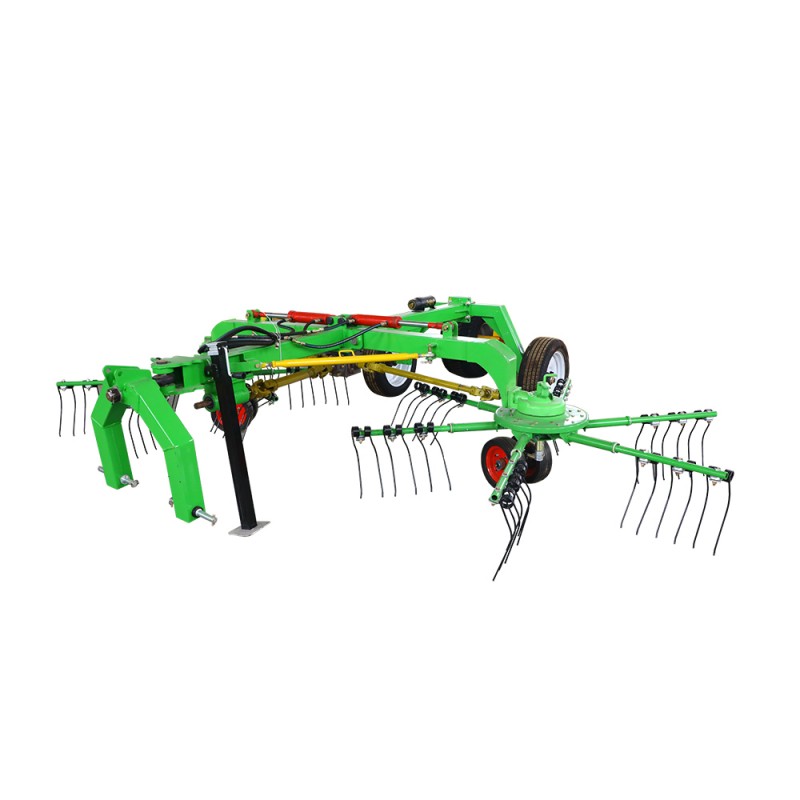
The Science Behind Faster Drying
Traditional Hay Rake models, such as wheel rakes, tend to roll the crop along the ground, creating dense, rope-like windrows. These restrict airflow and trap moisture underneath. A twin rotor hay rake from FASTMA creates fluffy, airy windrows. The rotors operate at a higher tine speed relative to ground speed, which actively fluffs the forage while moving it.
| Feature | Traditional Rake (e.g., Wheel Rake) | FASTMA Twin Rotor Hay Rake |
|---|---|---|
| Crop Handling | Rolling, tumbling action | Gentle lifting and fluffing |
| Windrow Density | High, compacted | Light, porous |
| Soil Contamination | Moderate to high | Very low |
| Drying Time (Ideal conditions) | 24–30 hours | 16–20 hours |
Key Mechanical Advantages
A twin rotor hay rake uses a central pivot or V-frame design. Each rotor has its own set of tines that sweep the crop inward. FASTMA models include adjustable tine pitch and rotor speed. This allows operators to match the rake action to crop conditions. For wet, heavy hay, increasing rotor speed throws the material higher, allowing more air contact. Traditional rakes cannot make this adjustment without changing gears or ground speed.
Additionally, the rotor design reduces leaf shatter. Legumes like alfalfa lose their most nutritious leaves when handled roughly. FASTMA twin rotor rakes maintain a rotor speed differential that prevents the crop from being whipped. The result is higher quality hay that cures faster because moisture escapes through intact leaves and stems.
Hay Rake FAQ Common Questions
Q1: What windrow shape does a twin rotor hay rake produce and why does it matter for drying
A1: A twin rotor hay rake creates a triangular or rounded windrow with a hollow center. This shape is critical because the hollow channel allows air to circulate through the middle of the windrow, not just around the outside. Traditional rakes make a solid half-round or flat windrow that traps humid air inside. With the FASTMA design, even the bottom layer of hay receives airflow, cutting total drying time by 6 to 8 hours on a typical summer day.
Q2: Can I use a twin rotor hay rake on all forage types including grass and alfalfa
A2: Yes. FASTMA Hay Rake models feature adjustable rotor cam tracks and tine angles. For fine grasses, reduce rotor speed and use a wider tine setting to prevent bunching. For thick alfalfa or clover, increase rotor speed to enhance fluffing. Traditional rakes often require different reel or basket configurations for different crops. A modern twin rotor design handles both with simple dial adjustments, making it the most versatile choice for mixed forage operations.
Q3: Does a twin rotor hay rake require more tractor power than a traditional model
A3: Slightly more, but the tradeoff is worthwhile. A typical twin rotor hay rake needs 35 to 50 PTO horsepower depending on working width (usually 10 to 14 feet). A traditional wheel rake may only need 20 to 30 horsepower. However, FASTMA engineers reduced drag through sealed gearboxes and balanced rotors. The extra 10 to 15 horsepower reduces passes across the field because hay dries faster and requires fewer tedding or inversion steps. Over a season, fuel use per ton of dry hay often decreases.
Practical Tips for Maximizing Drying Time Reduction
To get the best results with a twin rotor hay rake, follow these steps:
-
Rake at the correct moisture – 40 to 60 percent moisture is ideal. Too wet, and the fluffed windrow may still mold.
-
Set rotor height precisely – FASTMA recommends 0.5 to 1 inch above ground to avoid soil pickup.
-
Match ground speed to rotor speed – For fast drying, use a 1:1.5 ground-to-tine speed ratio.
-
Avoid raking dew-covered hay – Wait until surface moisture evaporates.
Final Thoughts and Contact Us
Adopting a twin rotor hay rake transforms drydown logistics. By replacing heavy, slow-drying windrows with light, airy swaths, FASTMA helps farmers bale earlier and preserve more nutrients. The combination of reduced leaf loss, lower soil contamination, and faster field turnover makes this design superior to traditional models.
Contact us today for a free field assessment and demo of FASTMA twin rotor Hay Rake solutions. Our team will help you select the right working width and tine configuration for your forage program. Reach out via our website or call your local dealer to schedule a hands-on trial.