

How Do Rockwool Substrate Cubes Compare to Coco Coir for Water Retention and Aeration
2026-04-07
When selecting a Soilless Culture Substrate Rockwool Grow Cubes system, growers often compare rockwool and coco coir. At Xirangyuan, we understand that water retention and aeration are two pillars of healthy root development. This guide provides a data‑driven comparison to help you choose the right substrate.
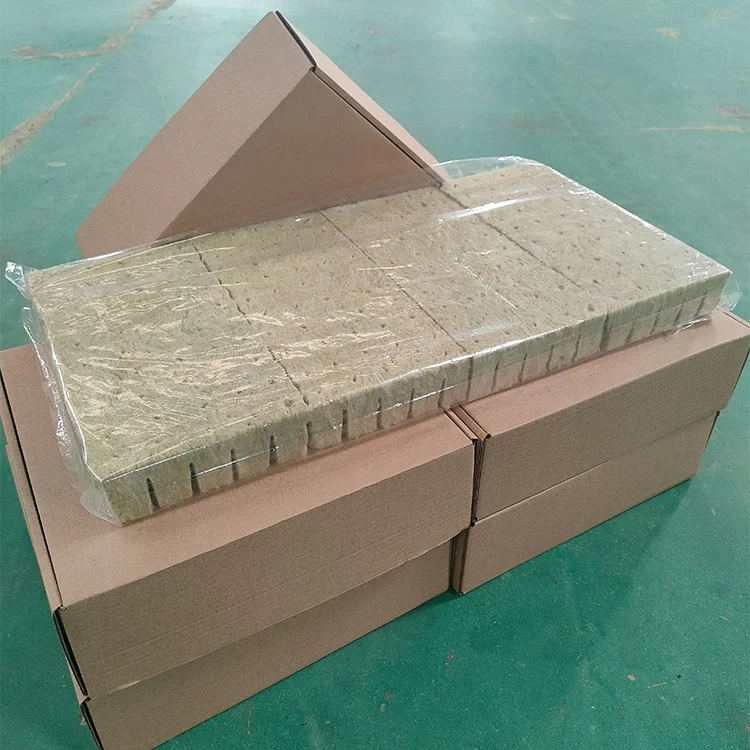
Water Retention and Aeration: Key Differences
| Property | Rockwool Cubes | Coco Coir |
|---|---|---|
| Water holding capacity | 75–85% of volume | 60–70% of volume |
| Air filled porosity (after saturation) | 15–20% | 25–30% |
| Drainage speed | Slow to moderate | Moderate to fast |
| Re‑saturation ease | Difficult if dried out | Easy |
| Risk of overwatering | Moderate (good buffering) | Low (drains faster) |
Rockwool retains more water, making it ideal for frequent irrigation cycles. Coco coir offers higher aeration but requires more frequent watering. For automated systems, Xirangyuan recommends rockwool for water‑loving crops and coco coir for plants sensitive to root zone saturation.
Structural Stability Over Time
Rockwool fibers maintain their structure for 6–12 months in recirculating systems. Coco coir decomposes slowly, shrinking and compressing after 4–8 months. This compression reduces aeration, whereas Soilless Culture Substrate Rockwool Grow Cubes provide consistent air‑to‑water ratios throughout a full growing cycle.
Practical Handling and pH Management
Rockwool has a naturally high pH (7.5–8.5) and must be pre‑treated with acidic solution (pH 5.5) before use. Coco coir often contains sodium and potassium, requiring buffering with calcium. Xirangyuan offers pre‑buffered rockwool cubes that save preparation time and ensure stable root zone chemistry.
FAQ: Common Questions About Soilless Culture Substrate Rockwool Grow Cubes
Question 1: Can I mix rockwool cubes with coco coir to balance water retention and aeration?
Answer: Yes, blending 50% rockwool cubes with 50% coco coir creates a hybrid substrate. Rockwool holds water while coco coir adds drainage and aeration. This mix works well for drip irrigation systems. However, monitor pH closely because rockwool raises the blend’s initial pH. Pre‑soak the mix in pH 5.5 solution for 24 hours before planting.
Question 2: How often should I water plants grown in rockwool cubes versus coco coir?
Answer: In rockwool cubes, water when the cube weight decreases by 30–40% – typically every 1–2 days for mature plants. In coco coir, water when the top 1–2 cm feels dry, often daily or twice daily in warm conditions. Rockwool retains moisture longer, reducing irrigation frequency. Coco coir requires more frequent cycles but provides better oxygen exchange. Always adjust based on plant size and environment.
Question 3: Which substrate is more sustainable for long‑term commercial use?
Answer: Rockwool cubes are inert and recyclable into brick or soil conditioners, but they do not biodegrade. Coco coir is renewable and compostable, yet its production involves high water usage for washing. Xirangyuan rockwool products are manufactured with energy‑efficient processes. For sustainability, use rockwool for 2–3 crop cycles after sterilizing with steam, then dispose of it in construction materials. Coco coir suits organic certification but degrades after one season.
Which Substrate Wins?
Choose Soilless Culture Substrate Rockwool Grow Cubes from Xirangyuan when you need high water retention, structural consistency, and compatibility with ebb‑and‑flow or NFT systems. Choose coco coir when maximum aeration and organic production are priorities. For most hydroponic vegetables and herbs, rockwool cubes deliver reliable results with less irrigation labor.
Contact Us
Ready to optimize your hydroponic setup with Xirangyuan Soilless Culture Substrate Rockwool Grow Cubes? Visit our website or email our team for technical datasheets and bulk pricing. Let us help you achieve higher yields with smarter substrate choices.