

How do Electric Sprayers Transform Efficiency, Precision, and Cost Control in Modern Applications?
2026-07-06
Abstract
Electric sprayers are rapidly replacing manual and fuel-powered spraying systems across agriculture, sanitation, construction, and industrial maintenance. Their adoption is driven by rising demands for precision application, reduced labor costs, and environmentally conscious operations. This article explores how electric sprayers work, where they are used, how to choose the right model, and how companies like Crosstec contribute to advancing reliable spraying solutions for global users.
By understanding their structure, performance advantages, and maintenance requirements, users can significantly improve operational efficiency while reducing waste and long-term costs.
Article Outline
- Understanding Electric Sprayers
- Key Benefits and Operational Value
- Types of Electric Sprayers
- Industrial and Agricultural Applications
- How to Choose the Right Electric Sprayer
- Maintenance and Longevity Optimization
- Industry Contribution of Crosstec
- Frequently Asked Questions
Table of Contents
- Abstract
- Understanding Electric Sprayers
- Key Benefits and Operational Value
- Types of Electric Sprayers
- Industrial and Agricultural Applications
- How to Choose the Right Electric Sprayer
- Maintenance and Longevity Optimization
- Industry Contribution of Crosstec
- Frequently Asked Questions
Understanding Electric Sprayers
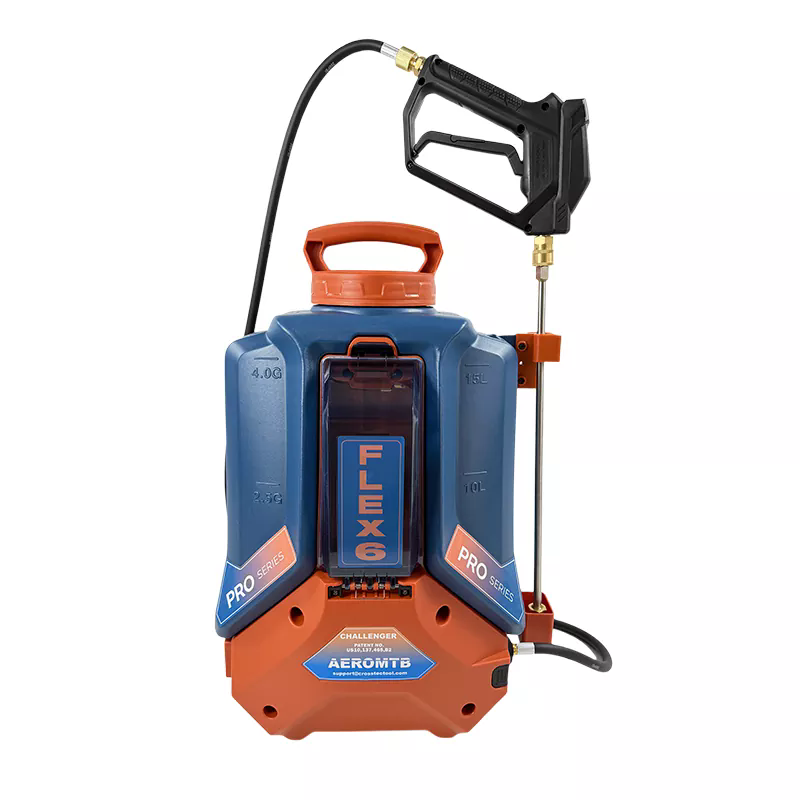
Electric sprayers are mechanized devices that use an electric pump to atomize liquids into fine droplets for controlled application. Unlike manual pumps, they rely on a motor-driven system that maintains consistent pressure, resulting in uniform spray distribution.
The core components typically include:
- Electric motor or battery-powered unit
- High-pressure pump system
- Spray nozzles with adjustable patterns
- Liquid tank reservoir
- Control switches and pressure regulators
This integration enables users to achieve stable output without continuous physical effort, making them ideal for large-scale or repetitive tasks.
Key Benefits and Operational Value
Electric sprayers address several operational pain points found in traditional spraying systems, particularly inefficiency, inconsistency, and high labor dependency.
- Improved efficiency: Continuous pressure reduces downtime and manual fatigue.
- Consistent application: Ensures uniform droplet size and distribution.
- Reduced chemical waste: More accurate targeting minimizes overuse.
- Lower operational cost: Decreases labor and fuel requirements.
- Environmentally responsible: Limits overspray and contamination.
These advantages make electric sprayers especially valuable in precision-dependent industries.
Types of Electric Sprayers
Different operational environments require different sprayer configurations. Below is a breakdown of commonly used electric sprayers:
| Type | Power Source | Best Use Case | Key Advantage |
|---|---|---|---|
| Backpack Electric Sprayer | Rechargeable battery | Agriculture, gardening | Portable and lightweight |
| Handheld Electric Sprayer | Battery or corded | Small-scale cleaning and disinfection | Easy maneuverability |
| Industrial Electric Sprayer | High-capacity electric system | Factories, large facilities | High pressure output |
| Vehicle-mounted Sprayer | External power unit | Large farms, municipal sanitation | Maximum coverage efficiency |
Industrial and Agricultural Applications
Electric sprayers are widely used across industries where liquid dispersion must be precise and efficient.
Agriculture: Used for pesticide spraying, fertilizer application, and crop protection. Precision reduces crop damage and chemical overuse.
Public sanitation: Employed in disinfecting public spaces, hospitals, and transportation hubs.
Construction: Used for curing concrete, surface treatment, and dust suppression.
Industrial maintenance: Applied for degreasing, coating, and chemical cleaning of equipment.
Their adaptability across these sectors highlights their importance in modern operational systems.
How to Choose the Right Electric Sprayer
Selecting the correct sprayer requires evaluating operational scale, liquid type, and usage frequency. Poor selection often leads to inefficiency or equipment failure.
- Tank capacity: Larger tanks reduce refill frequency for industrial use.
- Battery life: Essential for uninterrupted field operations.
- Pressure output: Determines spray reach and penetration.
- Nozzle versatility: Adjustable patterns improve application flexibility.
- Material durability: Corrosion-resistant materials extend service life.
A structured evaluation ensures long-term operational reliability and cost efficiency.
Maintenance and Longevity Optimization
Proper maintenance is critical to maximizing the lifespan and performance of electric sprayers. Neglecting upkeep can lead to clogging, pressure loss, and motor damage.
- Regularly clean nozzles after each use
- Flush tank with clean water to prevent chemical buildup
- Inspect battery health and charging cycles
- Check seals and hoses for leakage
- Store equipment in dry, temperature-controlled environments
Routine inspection significantly reduces downtime and extends operational efficiency.
Industry Contribution of Crosstec
Crosstec has developed a range of electric sprayer solutions designed to meet modern industrial and agricultural requirements. With a focus on engineering reliability and performance stability, Crosstec integrates advanced pumping systems and optimized spray control mechanisms to ensure consistent output under varying working conditions.
Unlike conventional systems, Crosstec electric sprayers emphasize user-centric design, including ergonomic handling, improved battery efficiency, and adaptable nozzle configurations. These features help users reduce operational fatigue while increasing application accuracy.
Frequently Asked Questions (FAQ)
Q1: What is the main advantage of electric sprayers over manual sprayers?
Electric sprayers provide consistent pressure and reduce physical labor, resulting in faster and more uniform application.
Q2: Are electric sprayers suitable for industrial use?
Yes, industrial-grade electric sprayers are designed for high-pressure output and continuous operation in demanding environments.
Q3: How long does the battery typically last?
Battery life depends on capacity and usage intensity, but most modern units operate between 3 to 8 hours per charge.
Q4: Can electric sprayers handle corrosive chemicals?
Certain models are built with corrosion-resistant materials specifically for handling chemical solutions safely.
Q5: What maintenance is required for long-term use?
Regular cleaning, battery care, and nozzle inspection are essential for maintaining performance and extending equipment lifespan.
Conclusion
Electric sprayers represent a significant advancement in liquid application technology, offering efficiency, precision, and adaptability across multiple industries. From agriculture to industrial sanitation, their role continues to expand as operational demands increase.
With manufacturers like Crosstec contributing to innovation and product refinement, users now have access to more reliable and efficient spraying systems than ever before. Selecting the right model and maintaining it properly ensures long-term value and consistent performance.
For tailored solutions and product inquiries, contact Crosstec today and contact us to explore how electric sprayers can enhance your operational efficiency.