

Article Summary
This guide explains how to select garden shears for different plants and pruning tasks, compare common cutting mechanisms, evaluate blade and handle materials, and use cutting tools safely. It also covers practical maintenance routines, common purchasing mistakes, and the product considerations that matter to both individual gardeners and wholesale buyers. With the right tool and proper care, routine garden maintenance can become more comfortable, precise, and predictable.
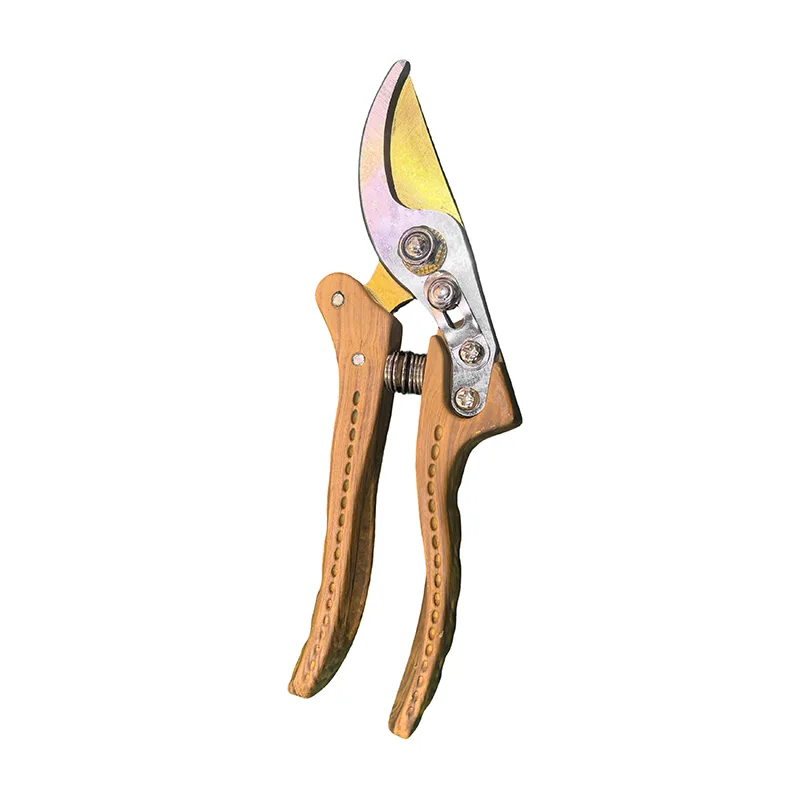
1. Understanding Garden Shears and Their Role in Plant Care
Garden shears are hand-operated cutting tools designed to trim foliage, prune stems, shape shrubs, and maintain plants. Depending on their design, they can handle delicate flower stems, green shoots, woody branches, or larger areas of hedge growth.
Although the terms garden shears, pruning shears, and gardening scissors are sometimes used interchangeably, they can describe tools with different shapes and cutting capacities. Compact pruning shears are generally intended for individual stems and small branches, while long-bladed hedge shears are designed for repeated cuts across shrubs and hedges. Fine-tip snips are better suited to delicate flowers and detailed work.
Why the Right Cutting Tool Matters
Using an appropriate cutting tool can make gardening more efficient and help reduce unnecessary damage to plants. A sharp blade produces a cleaner cut than a dull edge, while a suitable cutting mechanism helps prevent stems from being crushed or torn.
- Improved precision: Properly shaped blades help you remove unwanted growth without cutting nearby stems.
- Reduced effort: A well-designed pivot and comfortable handles can make repeated cutting less tiring.
- Better plant care: Clean cuts can reduce ragged wounds and support normal plant healing.
- Greater efficiency: Selecting tools for specific jobs reduces repeated cutting and unnecessary repositioning.
- Longer tool life: Correct use and regular maintenance help preserve blade performance.
2. Different Types of Garden Shears and Their Best Uses
Not every pair of garden shears is suitable for every plant. The cutting mechanism, blade length, handle shape, and intended capacity determine how well a tool performs in different situations.
Bypass Pruning Shears
Bypass shears use two blades that pass each other in a scissor-like motion. They are commonly used for live stems, flowers, green shoots, and suitable small branches. Their cutting action allows the blades to make a relatively clean cut when they are sharp, properly aligned, and used within their rated capacity.
For general garden maintenance, bypass pruning shears are often a practical first choice. They are particularly useful when preserving the quality of living stems is important.
Anvil Pruning Shears
Anvil shears use a sharp blade that closes against a flatter supporting surface. This design can be useful for removing dry or dead woody material. However, the supporting surface may compress plant tissue, so bypass shears are generally preferable when making precision cuts on healthy, living stems.
Ratchet Pruning Shears
Ratchet models divide the cutting process into several stages. The mechanism helps multiply applied force, making some difficult cuts more manageable. They can be useful for gardeners who find conventional cutting actions demanding, provided the tool is correctly sized and used within its specified limits.
Hedge Shears
Hedge shears usually feature two long blades and handles that provide leverage. They are intended for trimming hedges, shaping shrubs, and maintaining larger areas of foliage. Their longer cutting edges cover more area per stroke than compact pruning shears, making them useful for repeated trimming tasks.
Precision Garden Snips
Garden snips are compact cutting tools designed for delicate work. They are useful for harvesting herbs, removing small flower stems, trimming soft growth, and completing detailed cuts around crowded foliage.
| Tool Type | Best Application | Main Advantage | Important Limitation |
|---|---|---|---|
| Bypass pruning shears | Live stems and small branches | Precise, scissor-like cutting | Requires correct blade alignment and suitable material thickness |
| Anvil pruning shears | Dry or dead woody growth | Firm support during cutting | May crush living stems |
| Ratchet pruning shears | Demanding hand-pruning tasks | Progressive cutting action | May require several squeezes per cut |
| Hedge shears | Hedges and larger shrub surfaces | Long cutting edges cover more area | Less suitable for precise cuts in confined spaces |
| Garden snips | Flowers, herbs, and fine shoots | Lightweight, precise handling | Not intended for thick woody branches |
Matching the tool to the plant is the starting point for a productive garden toolkit. Gardeners who maintain diverse planting areas may benefit from keeping both compact pruning shears and a separate pair of hedge shears available.
3. How Blade Materials and Construction Affect Performance
Blade material influences sharpness retention, corrosion resistance, durability, and maintenance requirements. However, no single material is automatically best for every gardening environment. Heat treatment, blade geometry, surface finishing, and overall manufacturing quality also influence performance.
Carbon Steel Blades
Carbon steel is widely used for cutting tools because it can be manufactured to achieve a hard, sharp cutting edge. Depending on the grade and heat treatment, it can provide reliable cutting performance for regular pruning work.
Its main consideration is corrosion protection. Moisture, plant sap, and outdoor storage can encourage rust, so carbon steel blades should be cleaned and dried after use. Protective coatings can help, but they do not eliminate the need for maintenance.
Stainless Steel Blades
Stainless steel offers greater resistance to corrosion than many ordinary carbon steels. This can be beneficial in humid environments or for gardeners who frequently work with wet vegetation. The actual sharpness retention and cutting performance depend on the specific stainless steel grade, blade design, and heat treatment.
Coated and Finished Blades
Some garden shears use plated or coated blades to improve surface protection, reduce sticking, or simplify cleaning. A smooth blade surface can help sap and plant residue release more easily. The quality and durability of the coating matter, and excessive wear or improper sharpening may damage it.
Handle Materials and Comfort
Handles are just as important as blades, particularly for people who prune for extended periods. Aluminum alloy can offer a useful balance of strength and weight, while reinforced plastics and rubber-like grip materials can improve comfort and handling.
Look for handles that fit your hand comfortably, provide secure grip, and allow the tool to open and close without excessive stretching. Springs, pivot assemblies, locking mechanisms, and fasteners should operate smoothly and consistently.
4. How to Choose the Right Garden Shears for Your Needs
A suitable pair of garden shears should match the plants you maintain, the frequency of use, your hand comfort, and the conditions in which the tool will be stored. Considering these factors before purchasing helps avoid tools that are uncomfortable or unsuitable for regular work.
Step 1: Identify Your Main Gardening Tasks
Begin by listing the jobs you perform most often. A flower garden, vegetable plot, landscaped property, and commercial nursery have different cutting requirements.
- For flowers and soft herbs, consider lightweight precision snips.
- For live stems and routine shrub pruning, consider bypass pruning shears.
- For dry, dead branches, consider anvil-style pruning shears.
- For broad hedge surfaces, choose dedicated hedge shears.
- For branches beyond the tool's rated capacity, use appropriately sized loppers or another suitable cutting tool.
Step 2: Check the Cutting Capacity
Manufacturers may state a maximum cutting diameter, but actual performance depends on the species, wood condition, branch shape, blade sharpness, and tool design. Soft green stems and hard, dry branches of the same diameter can require different amounts of force.
Use the manufacturer's specified capacity as a limit rather than a target to exceed. If the tool requires excessive force, the handles spread uncomfortably, or the blades twist, stop and select a more suitable tool.
Step 3: Evaluate Hand Comfort
Handle size and shape affect control, particularly during repetitive tasks. A handle that is too large may be difficult to close fully, while one that is too small may concentrate pressure on the fingers.
- Choose a handle size that allows a comfortable grip.
- Look for non-slip surfaces that remain secure during normal use.
- Consider tool weight if you perform long pruning sessions.
- Check whether the opening width is manageable for your hand.
- Consider rotating or cushioned handles if they improve comfort during repeated cuts.
Step 4: Inspect Safety Features
A dependable locking mechanism helps keep blades closed during storage and transport. A spring-assisted opening system can make repeated use more convenient, but it should operate smoothly without forcing the handles apart unexpectedly.
Before use, inspect the blade edges, pivot, handles, spring, and lock. Loose components, cracked handles, damaged springs, or blades that do not align correctly are reasons to stop using the tool until it has been repaired or replaced.
Step 5: Consider the Local Environment
Gardeners working in humid climates or near coastal areas may place greater value on corrosion resistance and easy-cleaning finishes. Those working in dry environments may prioritize sharpness retention, cutting power, and comfortable handles. In every setting, cleaning and proper storage remain important.
- The cutting mechanism matches the plant material.
- The rated capacity suits the branches or stems being cut.
- The handles fit comfortably and provide a secure grip.
- The blades align properly and close smoothly.
- The lock and spring function reliably.
- The material and finish suit the local environment.
- The tool can be cleaned, maintained, and stored safely.
5. Practical Cutting Techniques for Cleaner Results
Even good garden shears can produce poor results when used incorrectly. Sound cutting technique protects the tool, helps reduce plant damage, and makes pruning more predictable.
Position the Blade Correctly
For bypass pruning shears, position the sharper cutting blade on the side of the stem that will remain attached to the plant when the tool's design allows it. This helps minimize crushing of the retained tissue. Follow the plant's pruning requirements and make the cut near an appropriate bud, branch junction, or stem collar, depending on the plant and task.
Make Controlled Cuts
Keep the plant material properly positioned between the blades rather than catching it near the blade tips when the tool is not designed for that loading. Apply steady pressure and avoid twisting the handles while cutting. Twisting can misalign blades or place unnecessary stress on the pivot.
Respect Branch Size
Do not force garden shears through branches that exceed their recommended capacity. Oversized branches can damage the cutting edge, bend components, or cause the tool to slip. Choose loppers or a suitable pruning saw when a larger cutting tool is required.
Reduce the Spread of Plant Diseases
When moving between plants, especially when disease is suspected, clean the blades and disinfect them using a product appropriate for garden tools and the situation. Follow the disinfectant's label instructions, including the required contact time, and dry the tool afterward where appropriate.
Wear Appropriate Protection
Wear suitable gardening gloves and eye protection when cutting woody growth or working near branches that may spring back. Keep your fingers away from the cutting edges and avoid holding plant material close to the blade path. Close and lock the shears before carrying or storing them.
6. How to Maintain Garden Shears for Long-Term Performance
Regular maintenance helps preserve cutting performance and reduces the risk of corrosion, sticky movement, and premature wear. A few minutes of care after gardening can prevent more difficult cleaning or repair later.
Clean After Every Use
Remove leaves, sap, dirt, and other plant residue from the blades. Use a suitable cloth or brush, taking care not to touch the sharp cutting edge directly. If the manufacturer permits water-based cleaning, dry the tool thoroughly afterward.
Sharpen the Cutting Edge When Needed
Dull blades may tear stems, require greater force, or fail to cut cleanly. Use a sharpening tool suitable for the blade design and follow the manufacturer's instructions. Maintain the intended cutting bevel rather than grinding both sides indiscriminately, particularly on bypass shears with a specific blade geometry.
After sharpening, remove metal residue, clean the blade, and check alignment. If the blade is chipped, severely bent, or worn beyond repair, replacement may be safer than continued sharpening.
Inspect the Pivot and Moving Parts
Check the pivot bolt, spring, and locking mechanism regularly. If the blades feel loose, excessively tight, or uneven, adjust them only as permitted by the manufacturer. A small amount of suitable tool lubricant on the pivot can improve movement, but excess oil should be wiped away to avoid collecting dirt.
Protect the Tool During Storage
Store garden shears in a dry place with the blades closed and locked. Avoid leaving them outdoors, in wet soil, or in a damp tool bag. Keep them away from children and place them where the sharp edges cannot cause accidental injury.
| Maintenance Task | Suggested Timing | What to Check |
|---|---|---|
| Remove sap and debris | After each use | Clean cutting edges and pivot area |
| Dry and inspect blades | After cleaning or wet work | Moisture, stains, or early corrosion |
| Check sharpness | Whenever cutting quality declines | Ragged cuts or increased cutting effort |
| Inspect pivot and spring | Regularly and before intensive use | Loose parts, stiffness, or inconsistent movement |
| Check locking mechanism | Before storage and transport | Reliable closure and secure locking |
| Apply suitable lubricant | As needed and as directed | Smooth movement without excess residue |
7. Common Garden Shears Problems and How to Avoid Them
Using One Tool for Every Task
Compact pruning shears are convenient, but they are not a replacement for hedge shears, loppers, or precision snips. Using the wrong tool often increases effort and reduces cutting accuracy. Build a small toolkit around the jobs you actually perform.
Ignoring Blade Sharpness
Continuing to use dull blades can damage stems and place unnecessary pressure on the user's hands. Inspect cutting performance regularly and sharpen or replace blades when appropriate.
Choosing Based Only on Price
The lowest purchase price does not always represent the best long-term value. Blade quality, handle durability, maintenance requirements, comfort, and replacement-part availability can all influence the total cost of ownership.
Overlooking Ergonomics
A tool may look durable but still be uncomfortable during repeated use. Consider grip size, handle opening, weight, spring resistance, and locking operation. For professional users, comfort and consistent performance can be particularly important over long workdays.
Storing Shears While Dirty or Wet
Plant sap can become sticky, while trapped moisture can encourage corrosion on susceptible materials. Clean and dry the tool before storage, and use a suitable protective treatment when recommended by the manufacturer.
Cutting Beyond the Tool's Capacity
Forcing a branch through a tool can damage its blades or pivot and may cause the handles to slip suddenly. Stop when a cut requires excessive force, and select equipment designed for the material.
8. What Wholesale Buyers Should Consider When Sourcing Garden Shears
For importers, distributors, retailers, and garden-tool brands, selecting garden shears involves more than comparing individual product prices. Product consistency, market suitability, packaging, quality control, and supplier communication all influence the purchasing decision.
Match Product Specifications to Your Market
Start with the needs of your target customers. Home gardeners may prefer lightweight tools with comfortable grips and simple maintenance requirements. Landscaping professionals may place greater emphasis on durability, cutting performance, and reliable operation during frequent use.
Clearly define the intended application, blade material, handle material, overall dimensions, finish, locking mechanism, and required cutting capacity before requesting quotations.
Review Manufacturing Quality
Ask how the supplier controls blade geometry, sharpening consistency, assembly accuracy, pivot stability, and locking performance. For repeat orders, documented specifications and agreed inspection criteria help reduce variation between batches.
Where relevant, request product samples and evaluate them under realistic working conditions. Check handle comfort, blade alignment, cutting consistency, finish quality, and packaging protection rather than relying only on catalogue descriptions.
Consider OEM and ODM Requirements
Businesses developing their own garden-tool ranges may require customized colors, handle finishes, logos, packaging, product dimensions, or functional details. Discuss the technical feasibility of these requirements before confirming a production order.
Also clarify sample approval, minimum order quantities, production lead times, inspection arrangements, packaging specifications, and how changes to an approved design will be managed.
Evaluate Supplier Communication and Support
Clear communication makes it easier to resolve specification questions, coordinate samples, and manage repeat purchases. A suitable supplier should be able to explain product options, provide relevant technical details, and confirm which customization requests can be supported.
As a garden-tool manufacturer, Fubang offers a range of garden shears and related cutting tools for different gardening applications. Buyers can review its garden shears product range to explore available styles and identify models that may suit their product portfolios.
9. Frequently Asked Questions About Garden Shears
1. What are garden shears mainly used for?
Garden shears are used to trim plants, prune stems, remove unwanted growth, shape shrubs, and maintain hedges. The exact application depends on the tool design. Compact pruning shears are suitable for individual stems and small branches, while hedge shears are intended for broader trimming work.
2. Are bypass garden shears better than anvil shears?
Neither design is best for every task. Bypass shears are generally suitable for live stems because their blades pass each other to make a clean cut. Anvil shears can be useful for dry or dead woody material. Choose the cutting mechanism according to the plant material and intended application.
3. Which blade material is best for garden shears?
The best choice depends on the intended use and maintenance preferences. Carbon steel can provide a sharp cutting edge but needs appropriate corrosion protection. Stainless steel generally offers greater corrosion resistance. Steel grade, heat treatment, blade geometry, and manufacturing quality also affect performance.
4. How often should garden shears be sharpened?
Sharpening frequency depends on how often the shears are used, the material being cut, and the condition of the blade. Sharpen when cutting becomes noticeably less clean or requires greater effort. Follow the manufacturer's sharpening instructions and replace blades that are damaged beyond practical repair.
5. How can I prevent garden shears from rusting?
Remove sap and dirt after use, dry the blades thoroughly, and store the shears in a dry location. Apply a suitable protective lubricant when recommended. Corrosion-resistant materials and protective coatings can help, but regular care remains important, especially in humid environments.
6. Can garden shears cut thick tree branches?
Only if the branch diameter and material fall within the tool's intended capacity. Small pruning shears are not designed for large or very hard branches. Use appropriately sized loppers or a pruning saw for larger material, and never force the blades beyond their recommended limits.
7. What features make garden shears comfortable to use?
Comfort depends on handle size, grip texture, tool weight, spring resistance, opening width, and the smoothness of the cutting mechanism. Choose a model that fits your hand and allows controlled operation without excessive force. Users with different hand sizes should evaluate the fit rather than relying on appearance alone.
8. Are coated garden shear blades worth considering?
Coatings may help reduce corrosion or make sap and plant residue easier to remove. Their value depends on the coating quality, durability, and intended use. A coating does not eliminate the need for cleaning, and sharpening should be performed in a way that preserves the blade's intended geometry.
9. What should importers check before ordering garden shears?
Importers should review product specifications, blade and handle materials, cutting capacity, sample quality, packaging, inspection procedures, customization options, minimum order quantities, and lead times. Written specifications and approved samples can help establish clear expectations for production orders.
10. Can garden shears be customized for private-label brands?
Customization options depend on the manufacturer and product model. Potential options may include logo application, handle colors, surface finishes, packaging, and selected design details. Buyers should confirm technical feasibility, tooling requirements, order quantities, and sample approval procedures before placing an order.
10. Make Garden Maintenance Easier With the Right Shears
Choosing garden shears is ultimately about matching the tool to the job. The right cutting mechanism, dependable blade construction, comfortable handles, and suitable cutting capacity help make pruning more controlled and efficient. Regular cleaning, timely sharpening, and safe storage then help preserve performance over time.
For home gardeners, a well-selected pair of pruning shears can simplify everyday plant care. For landscapers and commercial buyers, a carefully chosen range of cutting tools can support consistent work and better purchasing decisions. Evaluating practical performance rather than appearance or price alone is the key to finding a tool that meets real needs.
Before making a purchase, consider your plants, working frequency, local environment, and maintenance preferences. A thoughtful choice today can make routine gardening more comfortable and productive for seasons to come.
Explore Garden Shears With Fubang
Looking for garden shears for retail distribution, landscaping applications, or a customized garden-tool product range? Fubang provides a selection of garden shears and related cutting tools to help buyers explore products for their markets.
Visit the Fubang website to review available models and discuss product specifications, customization possibilities, and purchasing requirements. If you need assistance identifying suitable options for your business, contact us to start a conversation about your garden-tool needs.
Note: Always follow the tool manufacturer's instructions and the pruning recommendations appropriate for each plant species. Product specifications and customization availability should be confirmed directly with the supplier.