

How Can a Stainless Casing Pump Enhance the Efficiency of Your Water System
2026-03-04
When optimizing a water system for residential, agricultural, or light industrial use, the choice of pumping equipment directly impacts energy consumption and long-term operational costs. A Stainless Casing Pump for Clean Water is engineered to deliver superior hydraulic performance while resisting the degradation that plagues lesser materials. FLUENT specializes in these robust systems, ensuring that every liter of water is moved with minimal friction loss and maximum reliability.
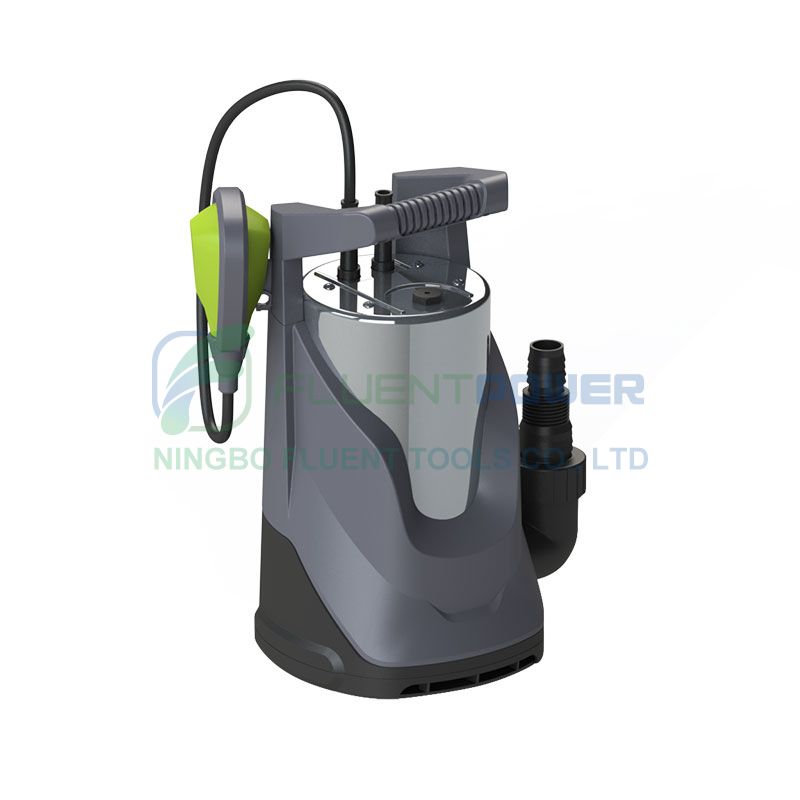
The Mechanical Advantages of Stainless Steel in Pump Design
The material of the pump casing does more than just hold the components together; it dictates the pump's ability to maintain efficiency over time. Stainless steel offers a unique combination of strength and smoothness. The interior surface of a Stainless Casing Pump for Clean Water remains exceptionally smooth, reducing turbulence and allowing the impeller to operate at peak aerodynamic (or hydrodynamic) efficiency. Unlike cast iron, it will not pit or rust, which ensures that the internal clearances remain tight, preventing internal recirculation that wastes energy.
Performance Comparison: Stainless Steel vs. Traditional Materials
To quantify the efficiency gains, it is helpful to compare the operational characteristics of a stainless steel pump against a standard cast iron unit. The table below outlines the key differentiators that affect system efficiency.
| Feature | Standard Cast Iron Pump | Stainless Casing Pump for Clean Water by FLUENT |
|---|---|---|
| Internal Surface Finish | Rough, prone to pitting | Smooth, hydraulic efficiency retained |
| Corrosion Resistance | Low; rust adds friction | High; no degradation of internal bore |
| Weight & Installation | Heavy; difficult to align | Robust yet manageable; precise fit |
| Long-Term Efficiency | Declines as walls degrade | Stable throughout lifespan |
Key Features That Drive Efficiency
Understanding the specific engineering choices in a FLUENT unit helps clarify why this technology outperforms standard options. Here are the critical features that contribute to enhanced system efficiency:
-
Precision-Machined Impeller: Designed to work in tandem with the smooth stainless casing to convert motor energy into water flow with minimal loss.
-
Hydraulic Balancing: Advanced design reduces axial thrust, meaning the motor uses less energy to fight internal pressure.
-
Thermal Conductivity: Stainless steel dissipates heat effectively, preventing cavitation and maintaining consistent water density for stable pumping.
Common Questions About Stainless Casing Pumps
To address specific technical concerns regarding this equipment, we have compiled a list of frequently asked questions regarding the Stainless Casing Pump for Clean Water.
FAQ 1: How does the casing material directly influence the energy bills of my pumping system?
The material directly impacts the "friction factor" inside the pump. As a standard pump ages, internal corrosion creates a rough surface that the water must drag against. This increases resistance, forcing the motor to work harder to maintain the same flow rate. A Stainless Casing Pump for Clean Water maintains its factory-smooth surface indefinitely. By eliminating this increase in internal friction, FLUENT pumps ensure that your energy consumption remains at the designed baseline, preventing the gradual 10-15% efficiency creep seen in lower-grade pumps.
FAQ 2: Is a stainless casing pump suitable for variable flow systems, or only for constant use?
A Stainless Casing Pump for Clean Water is exceptionally well-suited for variable flow systems. The high tensile strength of stainless steel allows the casing to withstand the constant pressure fluctuations and hydraulic shocks associated with starting and stopping or adjusting speeds. This durability means the pump maintains its structural integrity and internal clearances despite the dynamic stresses, ensuring that efficiency remains high whether the pump is operating at 50% or 100% capacity.
FAQ 3: What maintenance is required to keep a stainless steel pump operating at peak efficiency?
The maintenance regimen for a Stainless Casing Pump for Clean Water is significantly less intensive than for other materials. Because the casing does not rust or scale, the primary maintenance focus shifts to the mechanical seal and motor bearings. Regularly checking the seal for wear and ensuring the motor is properly lubricated (if applicable) will keep the unit efficient. The stainless casing requires no internal coating or rust treatment, reducing downtime and ensuring the pump returns to service with the same hydraulic efficiency as the day it was installed.
Conclusion
Investing in a high-quality pump is a decision that pays dividends through reduced energy costs and uninterrupted service. The engineering behind a Stainless Casing Pump for Clean Water directly addresses the common pain points of friction loss, corrosion, and mechanical wear. FLUENT provides industry-leading solutions designed to keep your water moving efficiently for years to come.
Ready to upgrade the efficiency of your water system? Contact us today to discuss your specific requirements with the FLUENT team and find the perfect stainless steel solution for your application.