

Optimizing Weighing Hopper Designs: A Guide for ODM Innovations
2026-04-02
In the world of industrial machinery, weighing hoppers play a critical yet often overlooked role in ensuring precision and efficiency across various applications. From food processing to pharmaceuticals, the design of these essential components can significantly impact production quality and operational costs. At Fanchang Machinery, we believe that innovation isn't just about creating new products—it's about reimagining existing tools to meet the evolving demands of modern industry. This guide, 'Optimizing Weighing Hopper Designs: A Guide for ODM Innovations,' dives into the art and science behind these designs, exploring how thoughtful engineering can transform mundane equipment into high-performance assets. Whether you're an engineer seeking practical insights or a business leader looking to gain a competitive edge, join us as we uncover the strategies that drive success in ODM manufacturing. Get ready to discover how small tweaks can lead to big breakthroughs, all while keeping your operations running smoothly and sustainably.
Key Principles for Designing High-Efficiency Weighing Hoppers in ODM Projects
When tackling ODM projects for high-efficiency weighing hoppers, one essential principle is integrating modular design. By breaking down components into interchangeable units, such as hopper bodies, discharge mechanisms, and weighing sensors, manufacturers can streamline customization for diverse client needs. This approach not only speeds up production but also simplifies maintenance and upgrades, making it a cost-effective solution in industrial settings where adaptability is paramount.
Another key aspect is prioritizing material selection to enhance durability and accuracy. Opting for high-grade stainless steel or specialized alloys can minimize wear from abrasive materials and resist corrosion in harsh environments. These materials also help maintain consistent weight measurements by reducing thermal expansion or deformation, ensuring reliable performance over time. In ODM projects, this focus on robustness directly translates to lower long-term costs and higher customer satisfaction.
Finally, implementing advanced control systems can significantly boost efficiency. Incorporating smart sensors and automation allows for real-time adjustments to flow rates and batch sizes, reducing manual intervention and potential errors. By leveraging data analytics, these systems can optimize loading cycles and predict maintenance needs, offering clients a seamless, data-driven experience that sets their equipment apart in competitive markets.
Innovative Material Selection to Enhance Hopper Performance and Durability
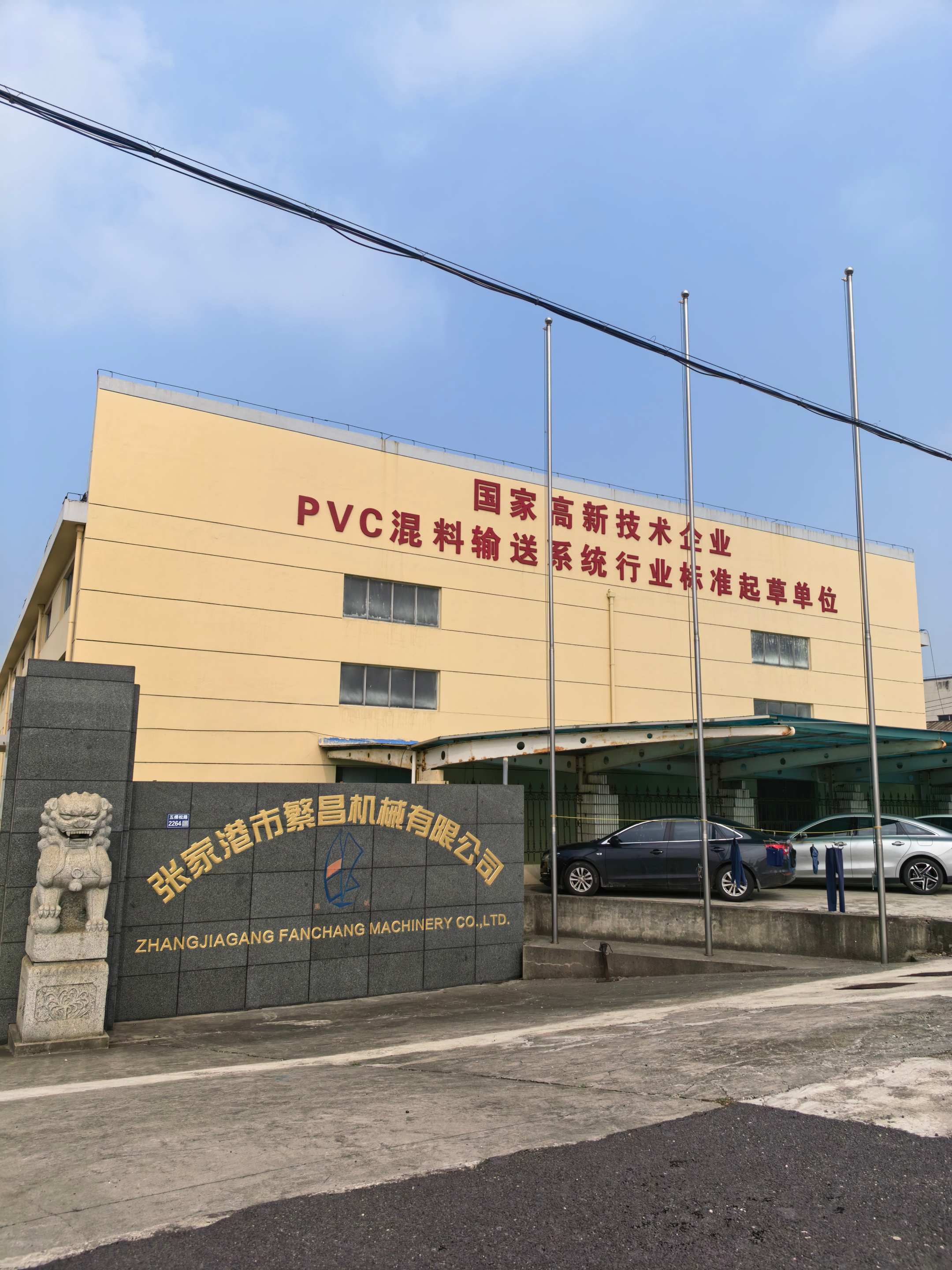
When it comes to boosting hopper functionality, the choice of materials isn't just about durability—it's a strategic move that can redefine efficiency. Imagine a hopper that resists abrasion from aggressive materials like coal or sand, thanks to advanced wear-resistant alloys or ceramic linings. These innovations aren't merely upgrades; they transform hoppers into robust assets that handle harsh conditions without faltering, reducing maintenance needs and downtime significantly. By integrating materials with tailored properties, such as corrosion resistance for chemical storage, operators can ensure seamless operations even in challenging environments.
Beyond traditional metals, modern hoppers are embracing composites and engineered polymers to push performance boundaries. For instance, using high-density polyethylene (HDPE) or fiber-reinforced plastics can offer lightweight yet tough solutions that resist impact and chemical degradation. This material shift isn't just about longevity—it enhances flow characteristics, minimizing blockages and ensuring consistent material discharge. Such innovations allow hoppers to adapt to diverse industries, from agriculture to manufacturing, where every detail in material selection translates to better throughput and reliability.
The real game-changer lies in customizing materials based on specific operational demands. Think of a food-grade hopper with FDA-approved stainless steel that prioritizes hygiene, or a mining hopper with ultra-hard coatings to withstand extreme wear. By leveraging advanced material science, from nanotechnology-enhanced surfaces to smart alloys that respond to temperature changes, hoppers can achieve unprecedented levels of durability and efficiency. This tailored approach not only extends equipment life but also drives cost savings by optimizing energy use and reducing waste, making it a cornerstone of modern industrial innovation.
Streamlined Integration of Hopper Systems into Automated Production Lines
Integrating hopper systems seamlessly into automated production lines is revolutionizing manufacturing by enabling continuous, precise material flow without manual intervention. Our approach focuses on designing hoppers that can synchronize with robotics, conveyors, and control software, minimizing downtime and reducing bottlenecks. This integration not only boosts throughput but also ensures consistent quality by preventing material depletion or overfilling, adapting to various production speeds with ease.
Unlike standard solutions, our hoppers incorporate smart sensors and real-time data analytics, allowing them to communicate with the broader production network. For instance, in a food packaging line, hoppers can adjust dispensing rates based on downstream demand, optimizing inventory and reducing waste. This proactive capability sets our systems apart, as they don't just react to inputs but anticipate needs, enhancing overall operational agility and resilience.
Practical implementation often involves customizing hopper designs to fit specific factory layouts and materials, from fine powders to bulky granules. We've seen clients achieve up to a 30% improvement in efficiency by adopting these integrated systems, emphasizing their versatility across industries like pharmaceuticals, automotive, and consumer goods. By prioritizing compatibility and user-friendly controls, our hopper integrations make automation more accessible, empowering teams to focus on innovation rather than maintenance.
Cost-Effective Customization Strategies for ODM-Specific Weighing Solutions
When it comes to ODM-specific weighing solutions, cost-effective customization starts with a deep dive into the client's exact requirements—because not every project needs the most expensive bells and whistles. We focus on modular designs that allow for easy tweaks without overhauling entire systems, saving both time and money. This approach ensures that each component, from sensors to software interfaces, is tailored to fit precisely, eliminating unnecessary features that could inflate costs or complicate operations.
Another key strategy involves leveraging existing ODM platforms and standard parts, which can be adapted rather than built from scratch. By reusing proven elements, we accelerate development cycles and reduce material expenses, all while maintaining high quality and reliability. This doesn't mean sacrificing uniqueness; instead, it's about smartly integrating custom aspects only where they genuinely enhance functionality or user experience, keeping the overall investment in check.
To stand out, we emphasize iterative testing and client feedback loops throughout the customization process. This allows for real-time adjustments based on practical insights, preventing costly reworks down the line. By adopting this dynamic approach, we deliver weighing solutions that are not just budget-friendly but also highly efficient and perfectly aligned with each ODM partner's specific needs, fostering long-term collaborations without the typical financial strain.
Advanced Calibration Techniques for Accurate and Reliable Weight Measurements
When you need ultra-precise weight measurements, basic calibration just doesn't cut it. Advanced techniques involve using certified reference weights with tight uncertainty tolerances, often traceable to national measurement institutes. These methods include environmental compensation that adjusts for temperature changes, humidity, and even air buoyancy—factors that can skew results by several grams in high-precision scenarios. Many labs now use automated processes, where calibration cycles run continuously, ensuring measurements stay reliable without constant manual intervention. By embedding these practices, industries from pharmaceuticals to aerospace achieve measurements accurate to tiny fractions of a gram, crucial for quality control and safety.
Another key aspect is the use of multiple-point calibration, which goes beyond the standard single-point check to map the scale's entire range. This technique identifies nonlinearities in the weighing system, allowing for adjustments that improve accuracy across all loads. Statistical tools, like control charts and repeatability tests, are often integrated to monitor drift and performance over time, catching issues before they impact results. For instance, in labs dealing with minute samples, such as forensic analysis or chemical research, these methods reduce errors that could lead to misinterpretations, enhancing both precision and trust in the data.
Beyond hardware, advanced calibration embraces software solutions that simulate real-world conditions and optimize calibration intervals based on usage patterns. This proactive approach minimizes downtime and maintenance costs while upholding reliability. In fields like logistics or manufacturing, where scales face harsh environments or heavy use, such techniques ensure consistent accuracy, supporting compliance with strict regulations. Ultimately, by blending cutting-edge technology with rigorous protocols, these advanced methods transform weight measurement from a routine task into a cornerstone of dependable operations.
Sustainability and Environmental Considerations in Modern Hopper Design
In today's industrial landscape, hopper design has evolved beyond mere functionality to embrace sustainability, integrating eco-friendly practices that minimize environmental impact. For instance, modern hoppers often feature lightweight, recycled materials and energy-efficient discharge mechanisms, reducing resource consumption and carbon emissions. This shift reflects a broader commitment to green manufacturing, where every component is scrutinized for its lifecycle effects, ensuring that storage solutions contribute positively to environmental goals without compromising on performance or durability.
Moreover, environmental considerations in hopper design extend to operational aspects, such as dust containment and waste reduction. Advanced sealing systems and automated cleaning processes help prevent particulate matter from escaping into the air, safeguarding air quality and worker health. By optimizing material flow and minimizing spillage, these designs not only enhance efficiency but also align with regulatory standards and corporate sustainability initiatives, making them a crucial element in industries striving for cleaner, more responsible production methods.
Ultimately, integrating sustainability into hopper design fosters innovation, encouraging the development of smart systems that monitor and adjust usage in real-time. Through the adoption of IoT sensors and predictive maintenance, hoppers can dynamically manage inventory and energy use, leading to less waste and lower environmental footprints. This holistic approach not only differentiates modern hoppers from traditional models but also positions them as key enablers in the transition toward a circular economy, where resources are conserved and reused, highlighting their role in building a more sustainable future for various sectors.
FAQ
Key factors include advanced materials for durability, precision sensors to enhance accuracy, and modular configurability to meet diverse client requirements efficiently.
By integrating smart IoT-enabled controls, real-time data analytics, and automated calibration systems, ODM-driven updates boost throughput and reduce operational downtime significantly.
Common issues like material buildup, inaccurate load readings, or space constraints are tackled through ergonomic airflow designs, anti-stick coatings, and compact, scalable frameworks.
Direct input from end-users on ease of use, maintenance needs, and performance gaps guides iterative design tweaks and ensures products align closely with market demands.
Emerging trends involve AI-driven predictive maintenance, energy-efficient mechanisms, and enhanced connectivity for seamless integration into automated production lines.
Choosing corrosion-resistant alloys and lightweight composites reduces wear, improves hygiene standards, and supports consistent weight measurements over extended periods.
Scalability allows for cost-effective adaptation across industries; solutions include modular components and flexible software interfaces that scale from small-scale to large-scale operations.
Essential features include overload protection systems, fail-safe emergency stops, and enclosed mechanisms to prevent contamination, ensuring compliance with stringent safety regulations.
Conclusion
Optimizing weighing hopper designs is crucial for ODM projects, focusing on high efficiency through key principles like material flow optimization and structural integrity. Innovative material selection enhances durability and performance, while streamlined integration into automated production lines ensures seamless operation. Cost-effective customization strategies tailored to specific ODM needs drive innovation without compromising quality.
Advanced calibration techniques provide accurate weight measurements, boosting reliability in industrial settings. Sustainability and environmental considerations are increasingly important, promoting eco-friendly materials and energy-efficient designs. This holistic approach combines technical precision with practical adaptability, making modern hopper solutions versatile and competitive in the evolving market.
Contact Us
Contact Person: Darye WANG
Email: [email protected]
Tel/WhatsApp: 86-13501017897
Website: https://www.fcntd.com/