Find the Best Second Hand Excavators for Your Construction Projects
2026-06-03
When your construction business thrives on tight margins, every equipment decision counts. New excavators chew through budgets, while unreliable used machines bleed time and money. That’s where smart sourcing changes the game. JILIANG CHI bridges the gap between cost-conscious buyers and rigorously inspected second-hand excavators that still pack a punch on the job site. Whether you're digging foundations, demolishing structures, or handling heavy materials, finding a dependable machine shouldn't feel like a gamble. In this guide, we’ll cut through the noise and show you what to look for, where to look, and how to secure a deal that keeps your projects moving without draining your capital.
Don't Just Kick the Tires: What to Inspect on a Used Excavator
A shiny paint job can hide a multitude of sins, so start by getting down on your hands and knees to examine the undercarriage. Look past the surface rust and check the track tension, idler wear, and sprocket teeth—if they're sharpened to points like a steak knife, the machine has seen heavy use. Dig into the rollers and look for oil leaks around the final drives, because those repairs can bleed your budget fast. A few minutes spent with a flashlight here often reveals more than hours in the cab.
Next, let the hydraulics tell their story. Cycle every function slowly, listening for groans or hesitation, and watch the cylinders for scoring or pitting on the rods. Pop the caps on the hydraulic tank and sniff the fluid; a burnt smell means overheating, while milky oil signals water contamination. Don't ignore weeping fittings or damp hoses either—they're not just maintenance nuisances, they're clues to how the previous owner treated the machine.
Finally, fire it up cold and pay attention to the exhaust smoke at startup. Blue smoke might mean worn rings, white could point to a coolant leak, and black under load suggests an overfueling issue. Once warm, rev the engine and watch for excessive blow-by at the oil fill cap. These checks won't catch everything, but they'll help you separate the honest workhorses from the polished-up problem children.
The Smart Buyer's Checklist for Pre-Owned Machines
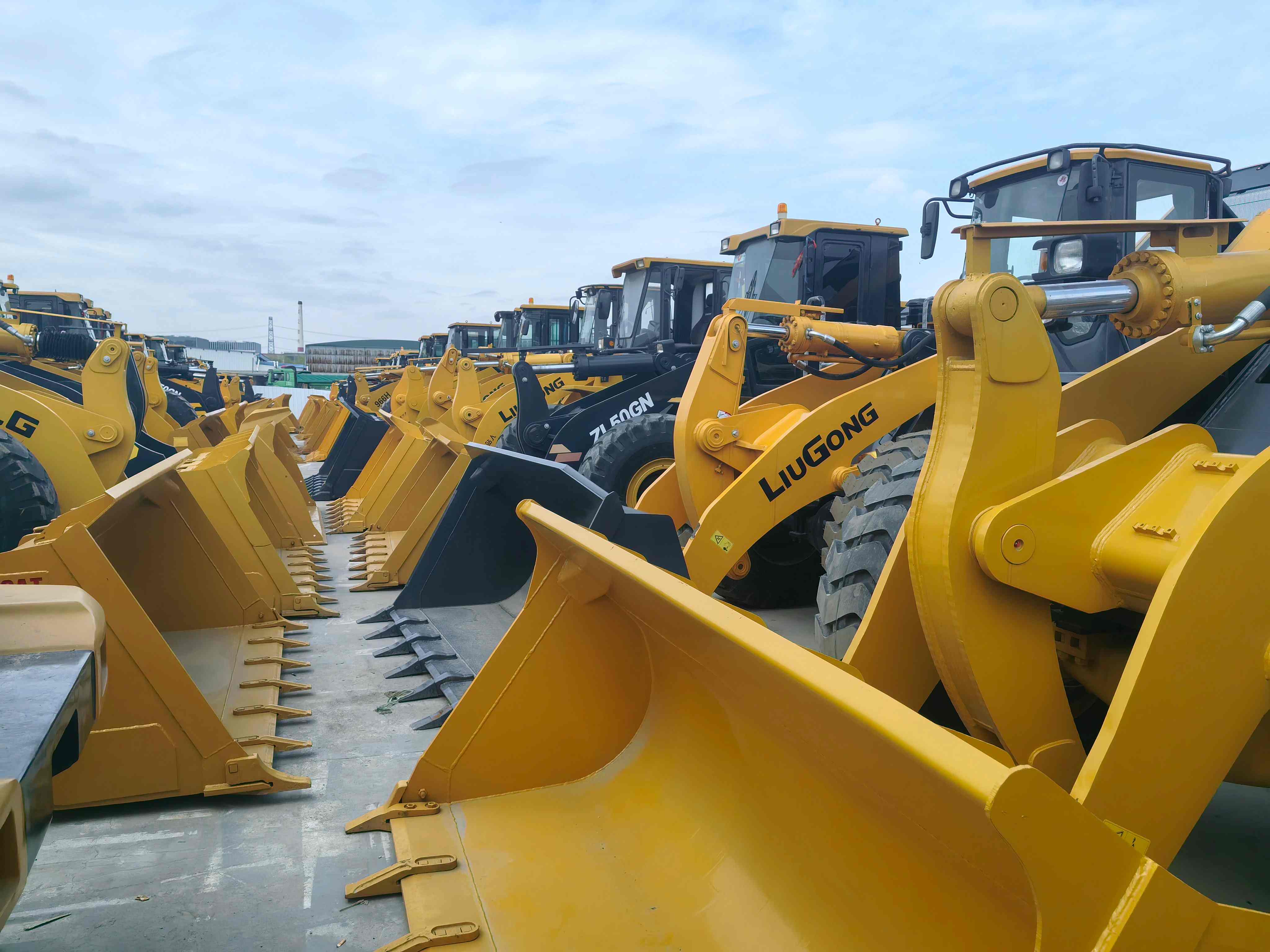
Buying a used machine isn’t just about the price tag. Start by asking for maintenance records—these tell you if the previous owner kept up with regular servicing or if it was run into the ground. Look for signs of wear that go beyond cosmetic scratches; check belts, bearings, and seals. If the seller hesitates to share history or seems evasive, that’s your cue to dig deeper or walk away.
Don't let a clean exterior fool you. Fire it up and listen. Unusual vibrations, odd noises, or sluggish response can point to hidden issues that won't show up in a quick visual check. If possible, put it through a real workload—not just idling—to see how it handles under pressure. Bring someone who knows the machine type if you’re not an expert; a second set of experienced eyes is often the difference between a steal and a money pit.
Think beyond the machine itself. Factor in parts availability and the brand’s support network in your area. A bargain doesn’t stay a bargain if you spend weeks hunting down a simple filter. Also check if any software or attachments come with it—those can add up fast. Finally, trust your gut on the seller relationship. A helpful, transparent seller is often a sign of a well-cared-for machine.
Where to Hunt for Bargains Without Getting Burned
Thrift stores and estate sales often hide gems at laughably low prices, but staying sharp is key. Before grabbing that vintage lamp, inspect it for loose wiring or hidden cracks. Sellers at estate sales sometimes overprice items based on emotion rather than market value, so arrive early, make a reasonable offer, and don't be afraid to walk away if the deal feels off. A quick check on your phone can reveal whether that “antique” clock is truly old or just a clever reproduction.
Online marketplaces like Facebook Marketplace or Craigslist can be goldmines for electronics and furniture, yet they're also populated by flippers who exaggerate product conditions. Always insist on seeing the item powered on or fully unfolded before handing over cash. When meeting strangers to complete the transaction, pick a well-lit public spot with surveillance cameras—many police stations now offer safe exchange zones. If a listing's photos look stock or the price seems too good to be true, trust your instincts: they usually are.
Clearance aisles in big-box retailers and seasonal yard sales are another frontier, but impulse buying remains the quickest way to regret. Check expiration dates on food, scan for manufacturer defects on appliances, and remember that “final sale” tags strip away your return rights. Apps that compare prices across stores can instantly show whether that discount is actually a deal or just clever marketing. If you're overwhelmed by clutter, set a strict budget and a shopping list—bargains stop being bargains when they collect dust in your closet.
Size Matters: Matching the Excavator to the Job
Picking the right excavator size can make or break a project timeline. A machine that’s too small will struggle with heavy loads and deep digs, forcing operators to work longer and harder just to keep pace. On the flip side, an oversized excavator might have the power but will guzzle fuel, tear up the site, and be a headache to maneuver in tight spots. It’s not just about muscle—compact models often surprise with their versatility on urban jobsites where every inch counts.
Dig depth and lift capacity are the non-negotiables. If you’re trenching for utilities, you need an arm long enough to reach comfortably without repositioning every few feet. But lifting awkward materials like large concrete pipes or steel beams means checking the load chart at the radius you’re actually working at, not just the maximum rating. Get this wrong and you’re risking hydraulic strain or even a tip-over, and nobody wants that kind of delay.
Then there’s the underfoot realities. Soft ground, steep grades, or tight access gates quickly narrow your options. A mid-size machine on wider tracks might float across mud that would swallow a smaller unit, while a zero-tail-swing design can hug walls and navigate blind corners without damage. Matching the metal to the dirt isn’t guesswork—it’s about reading the site conditions and being honest about what the day-to-day work really demands.
Hidden Costs Nobody Talks About When Buying Used
You spot a used car with low miles and a price that feels almost too good to be true. But what doesn't show up in the listing is the stuff you'll pay for later—things the seller hopes you overlook. A pre-purchase inspection might reveal imminent wear on belts or brakes, yet even an honest mechanic can't always catch an air conditioning compressor that fails six weeks later, leaving you with a thousand-dollar bill that instantly erases any upfront savings.
Beyond repairs, the hidden drain on your wallet often comes from the smaller, recurring expenses nobody mentions. That older model might be cheap to buy but expensive to feed, with fuel economy that's drifted far from its original ratings. Insurance can also surprise you; some used vehicles fall into higher risk brackets due to parts availability or theft rates, spiking premiums when you least expect it. Even registration fees can sting if the car's residual value or engine size pushes it into a higher cost tier.
Then there's the cost of inconvenience—time off work to deal with breakdowns, rental cars while yours is in the shop, or simply the mental load of never quite trusting the vehicle on a long trip. These aren't line items you'll find on a sticker, but they add up fast. Recognizing them beforehand turns a suspect bargain into an honest assessment of what you're really signing up for.
Real Stories from Contractors Who Got It Right (and Wrong)
A buddy of mine once took on a basement remodel and decided to save a few bucks by not pulling permits. The job went smoothly, and the finish work looked great—until the homeowner tried to sell. An inspector flagged the unpermitted work, and my buddy had to tear open a finished wall to prove it was up to code. He ended up paying double in rework and lost sleep over the delay it caused the seller.
Another contractor I know landed a high-end kitchen reno by being relentlessly honest. When the client asked for a trendy knockdown ceiling, he told them it would gather dust and look dated in two years. Instead, he suggested a skip-trowel finish and even showed photos of how each ages. He missed out on the upsell but gained a client for life—who later gave him three referrals worth over six figures combined.
Then there’s the flip side: a roofer who never documented his change orders. After a storm, the homeowner added extra venting and a better underlayment by handshake. The job wrapped, the roof looked solid, but when the invoice came, the client disputed every extra, claiming they never agreed. Without a paper trail, the roofer ate four grand in materials and labor. Now his company has a simple rule: if it’s not on paper, it’s not real.
FAQ
Focus on machine hours, maintenance records, and overall wear. Check the undercarriage, hydraulics, and engine for any signs of excessive damage or leaks. It’s also wise to ask about previous applications—machines used in demolition may have more stress than those in lighter duties.
Always request a detailed service history and consider a professional inspection. Test the boom, arm, and bucket movements for smoothness and listen for unusual engine noises. A thorough walk-around can reveal repairs, rust, or misaligned tracks.
Brands like Caterpillar, Komatsu, and Volvo often have solid track records for durability and parts availability. Models such as the Caterpillar 320 or Komatsu PC200 are popular for a reason—they balance performance with long-term reliability. However, always evaluate each machine individually.
Prices vary widely based on age, hours, and condition. A mid-sized unit from a reputable brand can range from $30,000 to $100,000 or more. Auction sites and dealer networks can give you a sense of current market rates. Don’t forget to factor in potential repair costs.
Start with specialized heavy equipment marketplaces and local dealer inventories. Industry-specific online platforms often provide detailed listings with photos and inspection reports. Networking with contractors can also lead to off-market deals.
Beware of fresh paint that may conceal cracks or rust. Inspect hydraulic cylinders for scoring and seals for leaks. Check the swing bearing for excessive play and review the emission system if applicable, as retrofitting can be costly. Always verify the serial number against any reported theft or finance liens.
Conclusion
Buying a used excavator can be a smart move for your construction business, but only if you approach it with a clear plan and a discerning eye. Rather than simply kicking the tires, take the time to thoroughly inspect the machine’s undercarriage, engine, hydraulics, and attachment points. A smart buyer’s checklist is your best friend here—document service records, check for unusual wear patterns, and test every function under load if possible. Where you shop matters just as much: reputable dealers, auction sites with transparent histories, and even direct-from-owner sales can yield bargains, but always verify the seller’s reputation and avoid deals that seem too good to be true. The size of the excavator must align perfectly with your typical jobs—an oversized machine is cumbersome and costly on small residential sites, while an undersized one will struggle and burn extra fuel on heavy earthmoving tasks. Remember, matching the right weight class and digging depth to your projects can dramatically improve efficiency and cost-effectiveness.
Beyond the purchase price, hidden costs lurk that many first-time buyers overlook. Transport fees, insurance, maintenance contracts, and the expense of replacing wear parts like tracks or bucket teeth can quickly add up. Factor in the potential downtime if a major component fails soon after buying, and you’ll see why a higher upfront cost for a well-maintained machine sometimes pays off. Hearing from other contractors who’ve navigated the used market can be enlightening—some have scored incredible deals on low-hour units that served them for years, while others learned painful lessons from hidden hydraulic leaks or undisclosed accident damage. Their stories underscore the importance of persistence and knowledge. Ultimately, finding the best second-hand excavator for your construction projects is a blend of careful inspection, size matching, and realistic budgeting that turns a pre-owned machine into a reliable asset rather than a financial pitfall.
Contact Us
Contact Person: Sally Xiao
Email: [email protected]
Tel/WhatsApp: 086-18221477398
Website: http://www.shjiliangchi.com/